How a Fall Arrest System Can Reduce Fatalities in High-Risk Workplaces
Falls are among the most common and deadly hazards in high-risk workplaces such as construction, roofing, and industrial sites. Implementing safety measures that prioritize the protection of workers at heights is crucial in these environments. A fall arrest system is a valuable tool in minimizing the risk of fatal falls and ensuring worker safety. Understanding the components and benefits of these systems can help companies prevent tragic incidents and foster a culture of safety.
Harnesses: The Foundation of Fall Arrest Systems
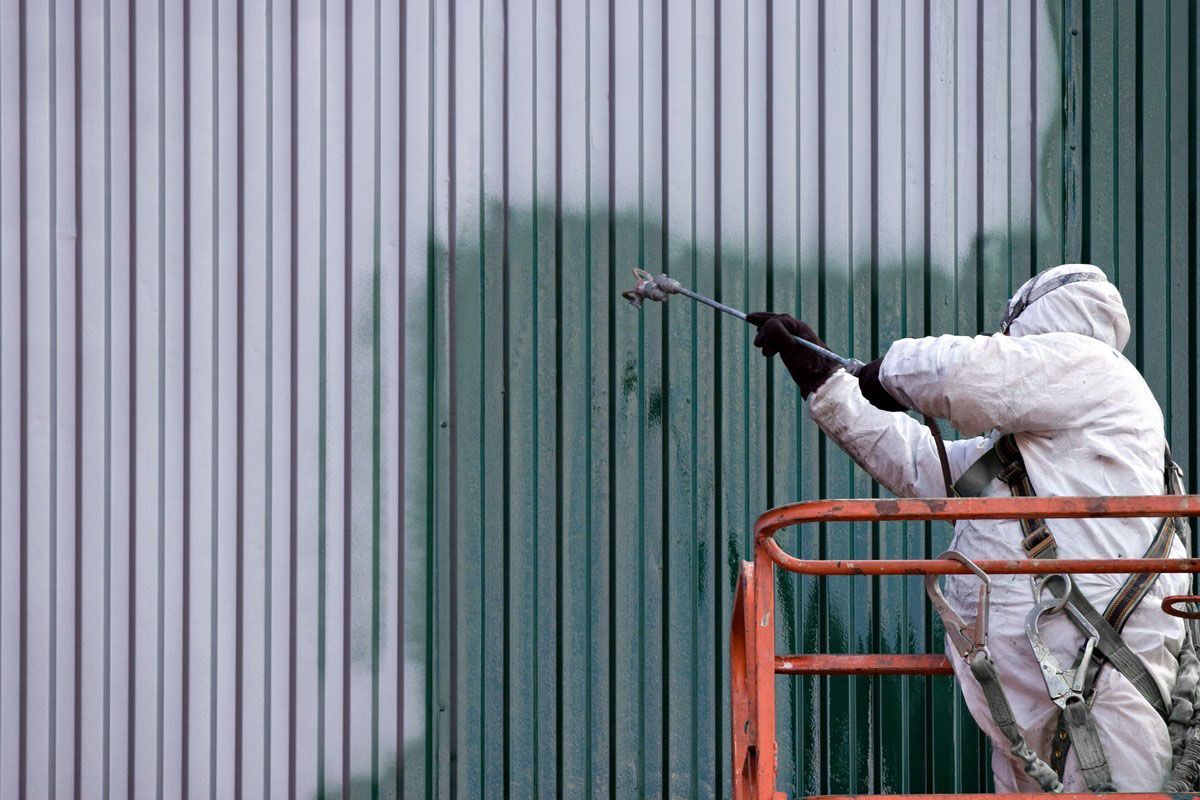
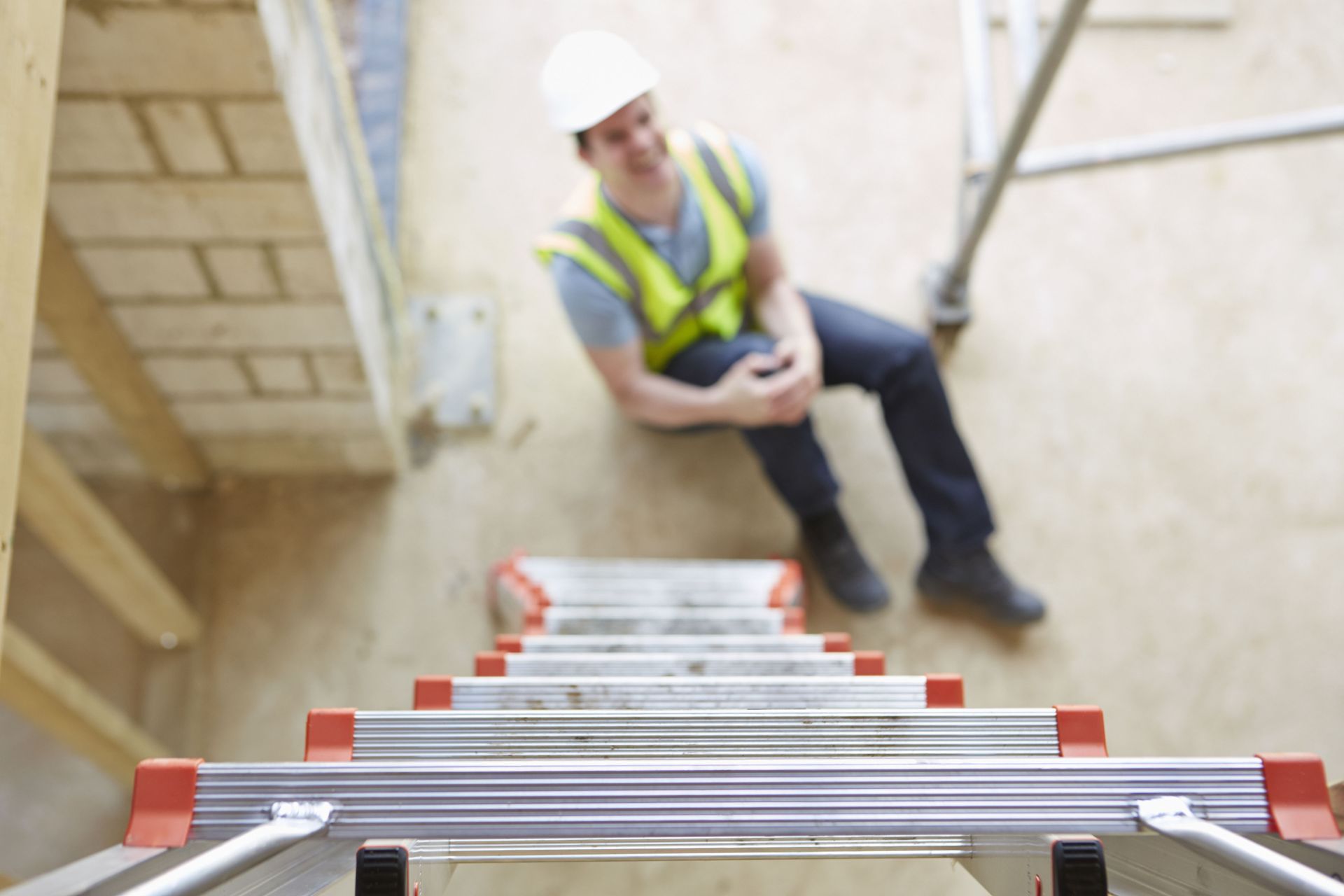
One of the primary components of a fall system is the harness, which is worn by the worker to provide a secure connection point. The harness is designed to distribute the force of a fall throughout the body, reducing the impact on any single point. When a fall occurs, the fall system activates, catching the worker and preventing a potentially fatal fall to a lower level. According to Safety + Health, which reported 865 workplace fatalities due to falls in 2022, with 700 due to falls to a lower level, the importance of these systems is clear.
System Components: Lifelines, Anchors, and Connectors
In addition to harnesses, fall systems often include lifelines, anchor points, and connectors. These components work together to create a safeguard that is both reliable and adaptable to various worksite conditions. When correctly used and maintained, a fall system can significantly reduce the likelihood of serious injuries or fatalities. Workers equipped with these safeguards can perform at greater heights with increased confidence, knowing that their safety is a primary concern.
System Readiness: Training, Inspection, and Maintenance
Training and regular inspections further enhance the effectiveness of fall arrest systems. Employers must ensure that all workers are adequately trained in both the proper use of the equipment and emergency procedures. Regular inspections and maintenance are essential to ensure the integrity and functionality of the systems. These measures not only comply with safety regulations but also cultivate a proactive approach to minimizing risk in high-risk workplaces.
Implementing a fall arrest system is a crucial strategy to reduce fatalities in high-risk industries. Fall hazards remain a significant concern, and addressing them through effective safety measures is vital. By combining well-designed equipment, proper training, and regular maintenance, employers can significantly decrease the likelihood of fall-related incidents, ensuring that workers return home safe and sound. Contact the professionals at Northland Safety Solutions LLC to learn more!








Share On: