The Importance of Rigid Fall Protection Systems in Meeting OSHA Safety Standards
Workplace safety programs are built around preventing injuries before they occur, especially in environments where employees operate at heights. Falls remain one of the most common causes of serious workplace incidents across industries such as construction, manufacturing, utilities, and maintenance. Because of this risk, organizations must rely on structured safety systems that minimize hazards while allowing workers to perform their duties efficiently. One of the most effective solutions for addressing fall hazards is the implementation of rigid fall protection systems designed to provide consistent support and secure movement across elevated workspaces.
Rigid fall protection systems are engineered to create a dependable anchor structure that workers can rely on while moving through potentially dangerous areas. Unlike flexible cable systems, rigid rails or beams maintain constant alignment and stability, which helps reduce the risk of swing falls and inconsistent anchorage points. These systems are often installed along work platforms, rooftops, loading areas, or overhead structures where employees frequently move while attached to a lifeline. When properly integrated into a workplace safety plan, rigid fall protection supports both regulatory compliance and practical safety outcomes.
Understanding OSHA Requirements for Fall Safety
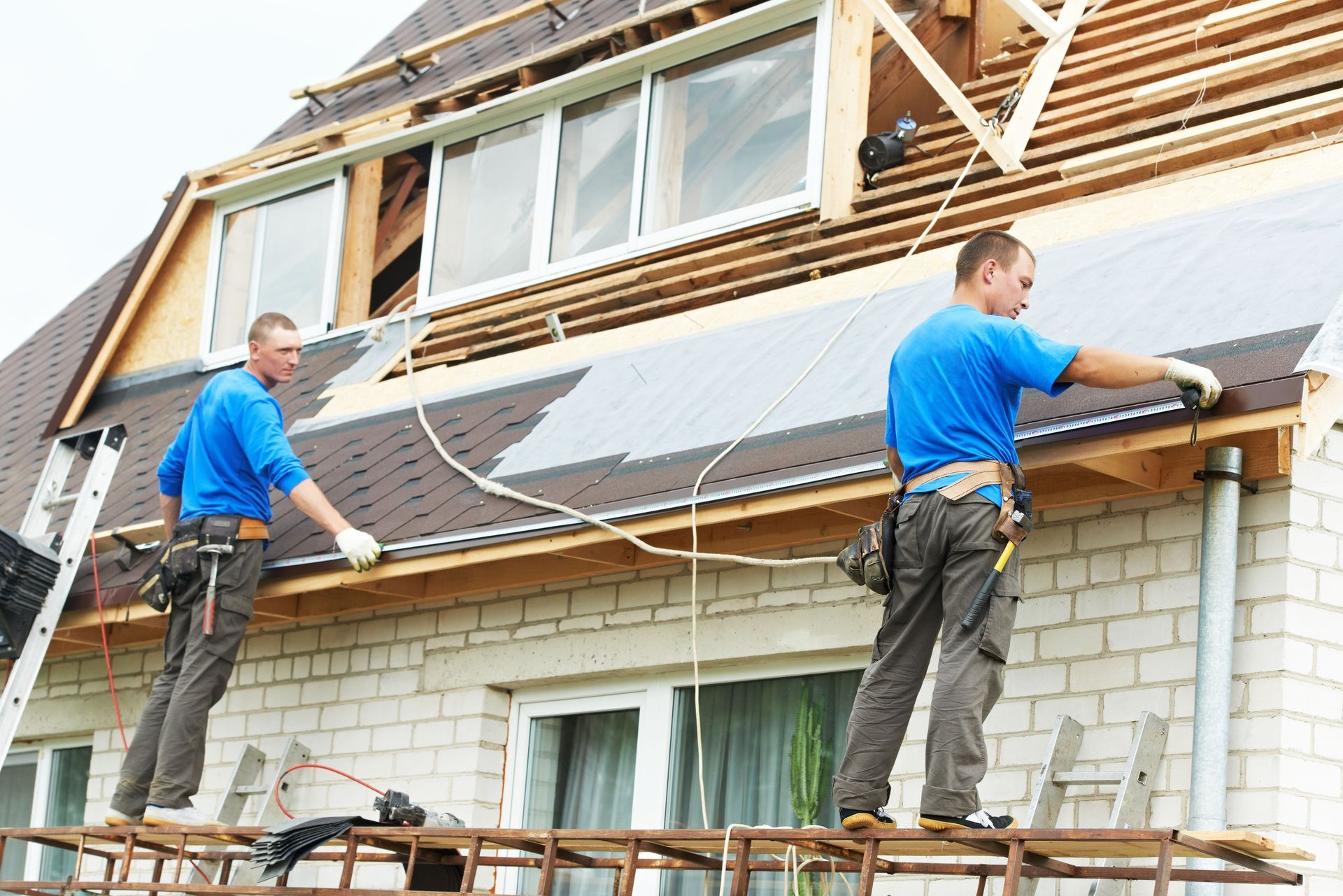
OSHA regulations provide a framework for identifying fall hazards and implementing safeguards that protect workers operating above ground level. These standards outline when fall protection must be used, the types of systems that may be appropriate, and the responsibilities employers carry when maintaining safe workplaces. In many industries, protective systems are required when workers are exposed to heights of four feet or more in general industry settings, or six feet or more in construction environments. Meeting these requirements involves selecting systems capable of preventing or stopping falls while allowing employees to move safely throughout their workspace.
Employers are expected to conduct hazard assessments to determine where fall risks exist and which solutions provide the most effective protection. Options may include guardrails, personal fall arrest systems, safety nets, or engineered solutions like rigid fall protection rails. Each method addresses different types of risks, but rigid systems often provide a more stable structure that reduces movement in the anchorage point. This stability improves worker mobility and helps maintain consistent fall arrest performance across the entire working area.
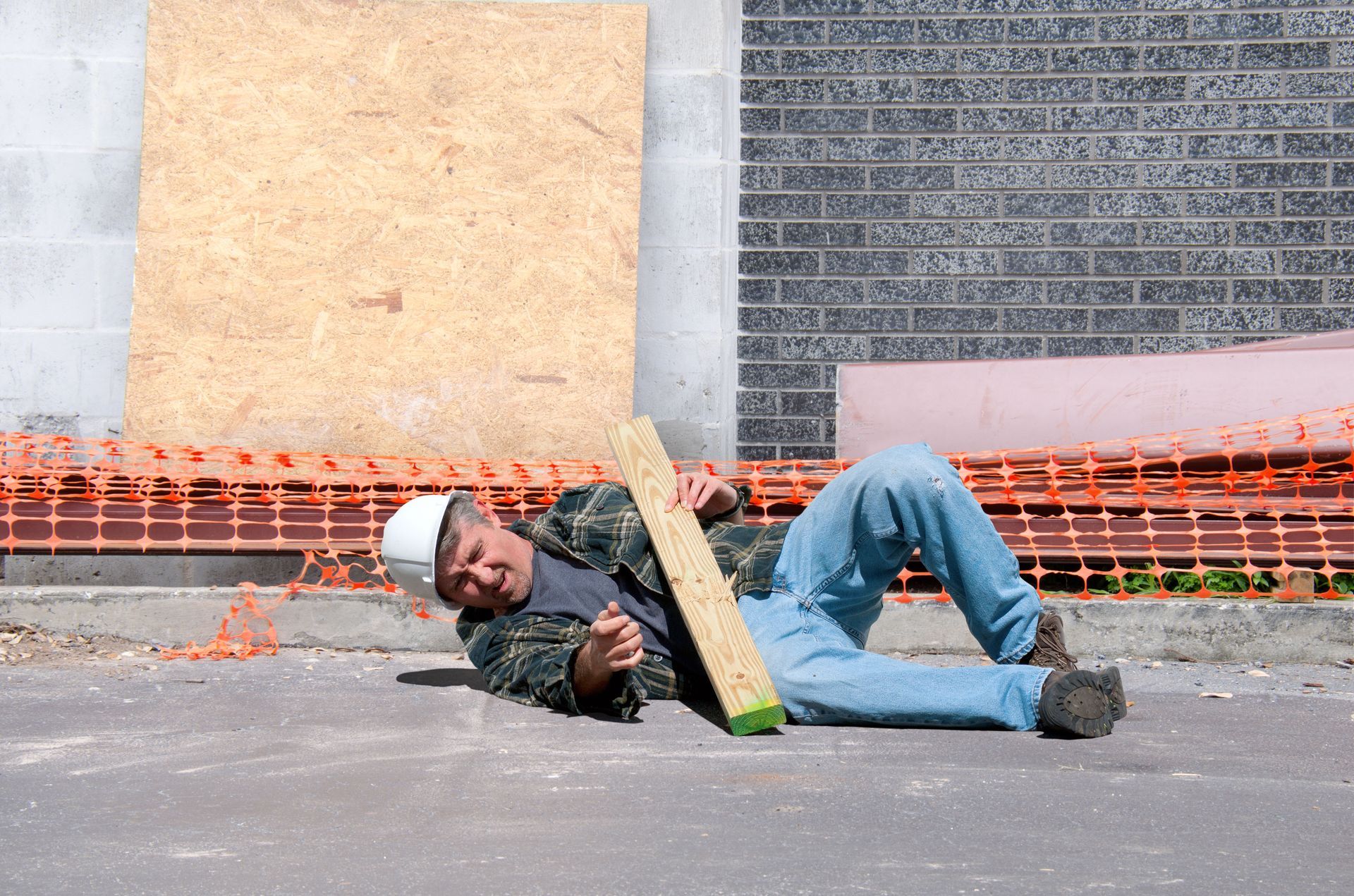
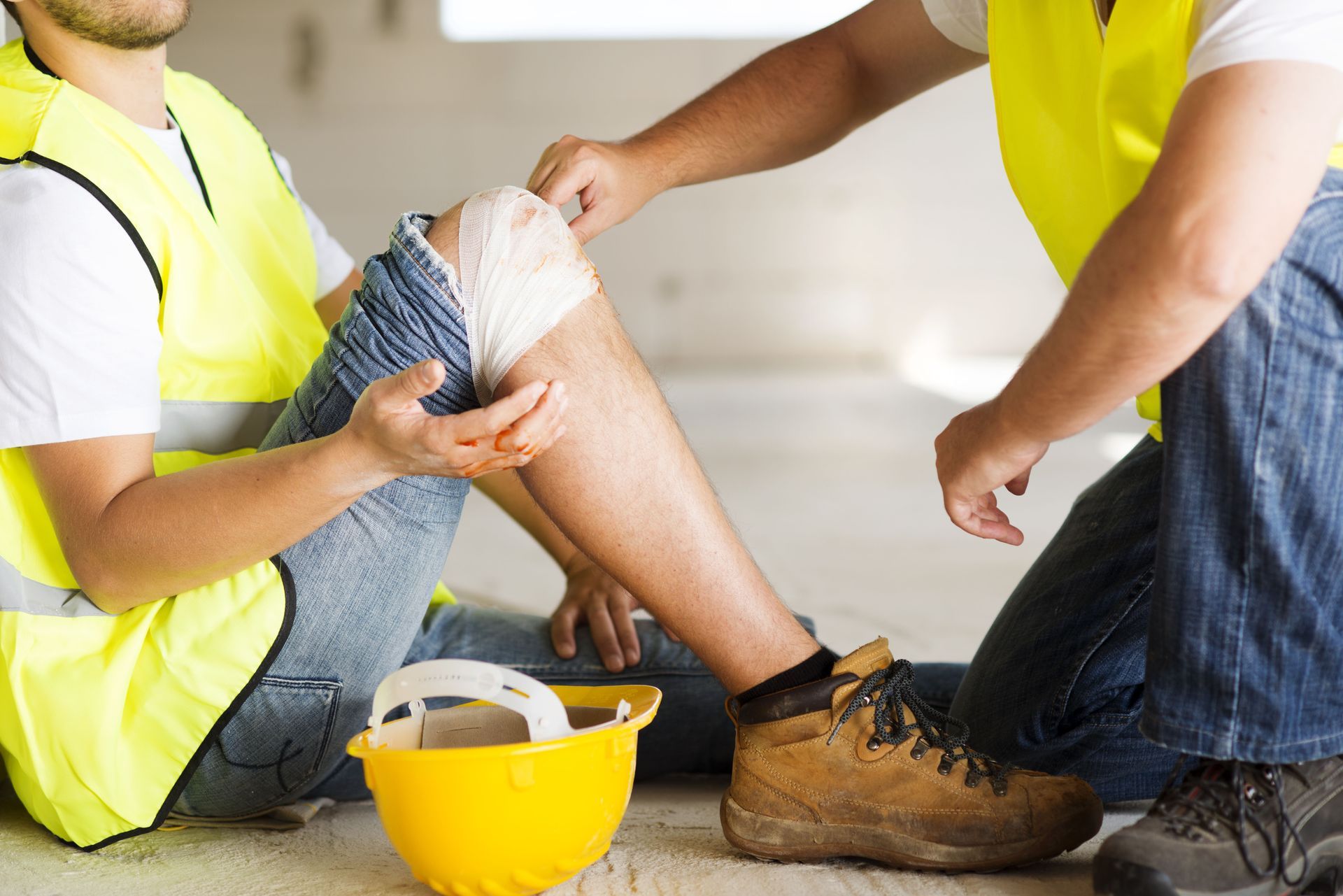
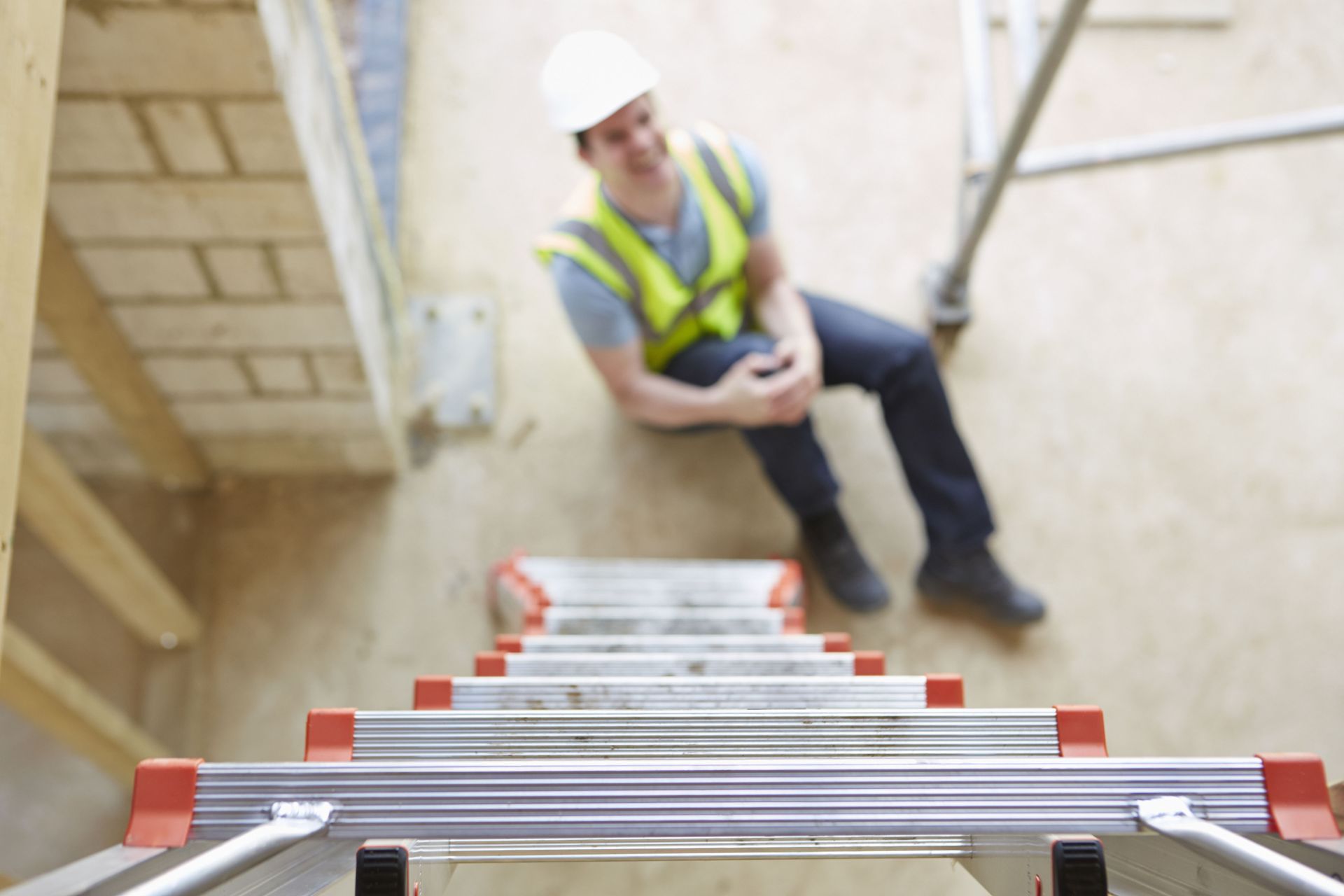
Failing to implement appropriate fall protection can have serious consequences for both employees and organizations. Workplace incidents not only cause injuries but also lead to regulatory penalties, project delays, and damaged morale among workers. According to Safety + Health, 54% of the workers killed had no access to a personal fall arrest system, and 23% had access to a PFAS but did not use it between 1982 and 2015. These numbers highlight the importance of both providing safety systems and ensuring they are designed for practical, consistent use.
Evaluating Fall Hazards Across the Workplace
Every facility presents unique risks depending on the layout of structures, equipment placement, and the tasks employees perform. Conducting a thorough evaluation of potential fall hazards is the first step in determining the most effective safety approach. Areas such as rooftops, elevated platforms, mezzanines, loading docks, and maintenance access points frequently expose workers to fall risks. Identifying these areas allows safety managers to determine where protective systems should be installed and what type of equipment will support daily operations without interfering with productivity.
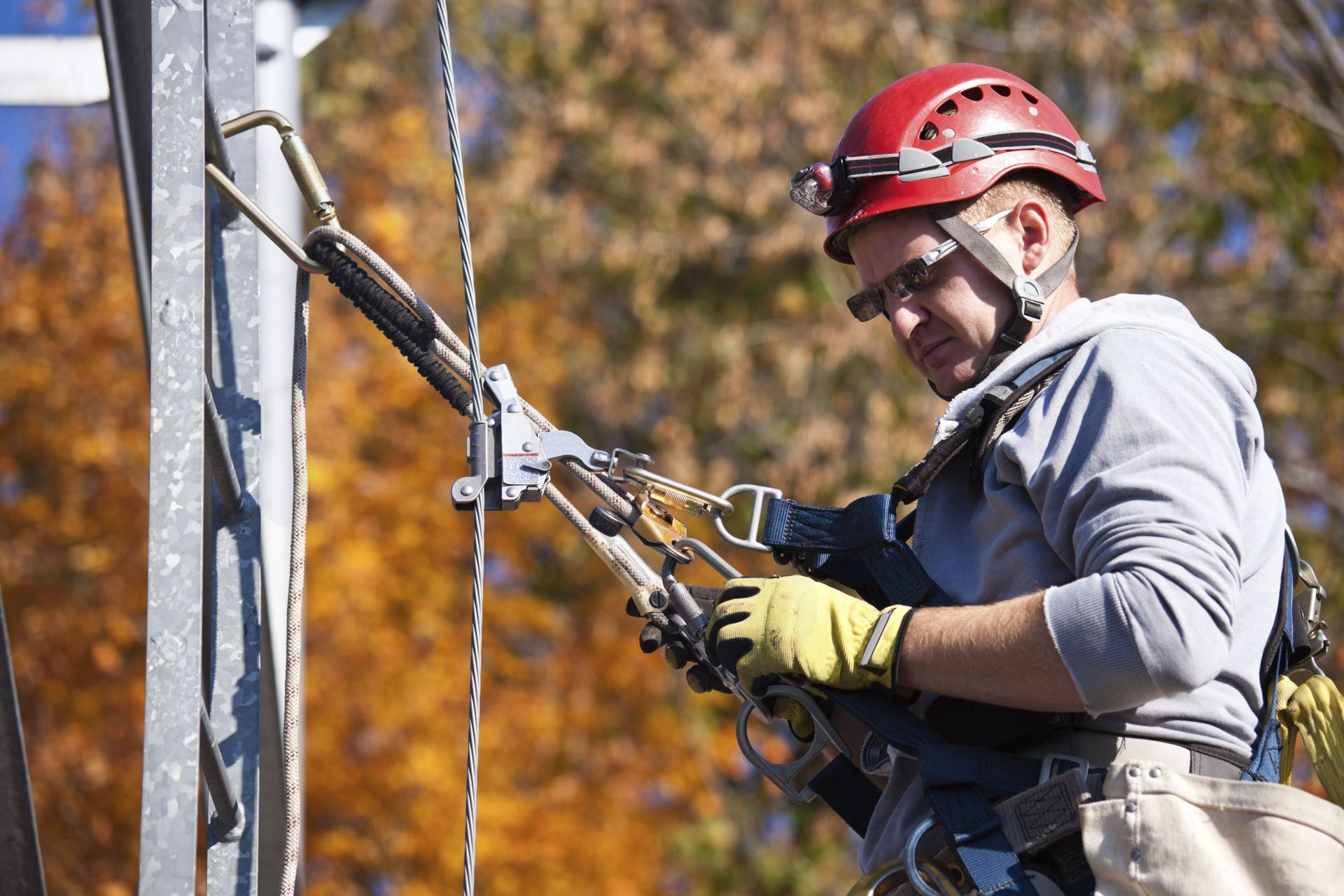
During the evaluation process, organizations consider how employees move through the workspace and how often they perform tasks near edges or elevated surfaces. For example, technicians performing routine inspections along overhead equipment may require continuous connection to a lifeline system. In these situations, rigid fall protection systems can provide a structured path that allows workers to move smoothly along rails while remaining securely attached. This design reduces slack in the line and prevents the shifting movement that sometimes occurs with cable-based systems.
Risk assessments also evaluate environmental factors such as weather exposure, structural integrity, and equipment compatibility. Industrial environments may expose safety systems to moisture, temperature changes, or vibration, all of which must be considered when selecting protective equipment. Choosing engineered rigid fall protection solutions designed for durability ensures that the system maintains reliable performance even under demanding conditions.
Implementing Engineered Protection Systems
Once hazards have been identified, organizations can begin implementing fall protection systems tailored to their operational environment. Installation typically involves designing a structure that integrates with the facility's layout while providing continuous anchorage for workers moving along elevated surfaces. Rigid fall protection systems often use overhead rails, I-beams, or track systems that support self-retracting lifelines and harness connections. These components work together to create a controlled path where employees remain securely connected while performing their duties.
One of the advantages of engineered rigid systems is their ability to minimize swing falls. A swing fall occurs when a worker falls while positioned far from the anchor point, causing the body to swing toward a structure or obstacle. Because rigid tracks maintain alignment with the worker's position, they reduce lateral movement and help limit the distance traveled during a fall. This improved control can significantly decrease the likelihood of injury during a fall event.
Successful implementation also depends on proper training and communication. Workers must understand how to connect to the system, move safely along the track, and inspect their equipment before use. Training programs often include hands-on demonstrations, equipment familiarization, and instruction on recognizing hazards. When employees feel confident using safety systems, they are more likely to follow procedures and remain connected while performing tasks at height.
Maintaining Systems for Long-Term Reliability
Installing a fall protection system is only the beginning of maintaining a safe working environment. Regular inspections and maintenance ensure that safety equipment continues to perform as intended over time. Components such as rails, anchor points, connectors, and lifelines should be checked for wear, corrosion, or structural damage that could compromise their effectiveness. Scheduled inspections help identify small issues before they develop into larger safety concerns.
Maintenance procedures should follow manufacturer guidelines as well as OSHA recommendations. Many organizations establish routine inspection schedules that include daily visual checks by workers and more detailed periodic evaluations conducted by trained safety personnel. During these assessments, technicians examine structural attachments, verify that moving parts operate smoothly, and confirm that the system remains properly aligned with the workspace.
Documentation is another critical element of system maintenance. Keeping records of inspections, repairs, and training sessions helps demonstrate regulatory compliance and ensures accountability within the safety program. When rigid fall protection systems are maintained carefully and consistently, they remain dependable assets that support safe work practices for many years.
Strengthening Workplace Safety Culture
Technology and equipment play an important role in workplace safety, but lasting protection comes from building a culture where safety is treated as a shared responsibility. Employers, supervisors, and workers all contribute to maintaining safe conditions and following established procedures. When leadership prioritizes safety initiatives, employees are more likely to engage with training programs, report hazards, and use protective equipment correctly.
Integrating rigid fall protection systems into daily operations reinforces this safety culture by making protection visible and accessible. Workers who see engineered systems integrated into their environment are reminded that safety is an essential part of their job rather than an optional step. This visibility encourages consistent use of harnesses and connectors, which helps prevent incidents that could occur when workers bypass protective measures.
Protecting workers from fall hazards requires thoughtful planning, reliable equipment, and a commitment to ongoing safety practices. By evaluating workplace risks, implementing engineered systems, and maintaining equipment carefully, organizations can create environments where employees feel confident performing tasks at height. When rigid fall protection systems are integrated with training programs and regulatory compliance efforts, they become a cornerstone of effective workplace safety. For more information about the services that we offer, reach out to our incredible team at Northland Safety Solutions LLC today!

Share On: