Choosing the Right Fall Protection Systems for Your Industry
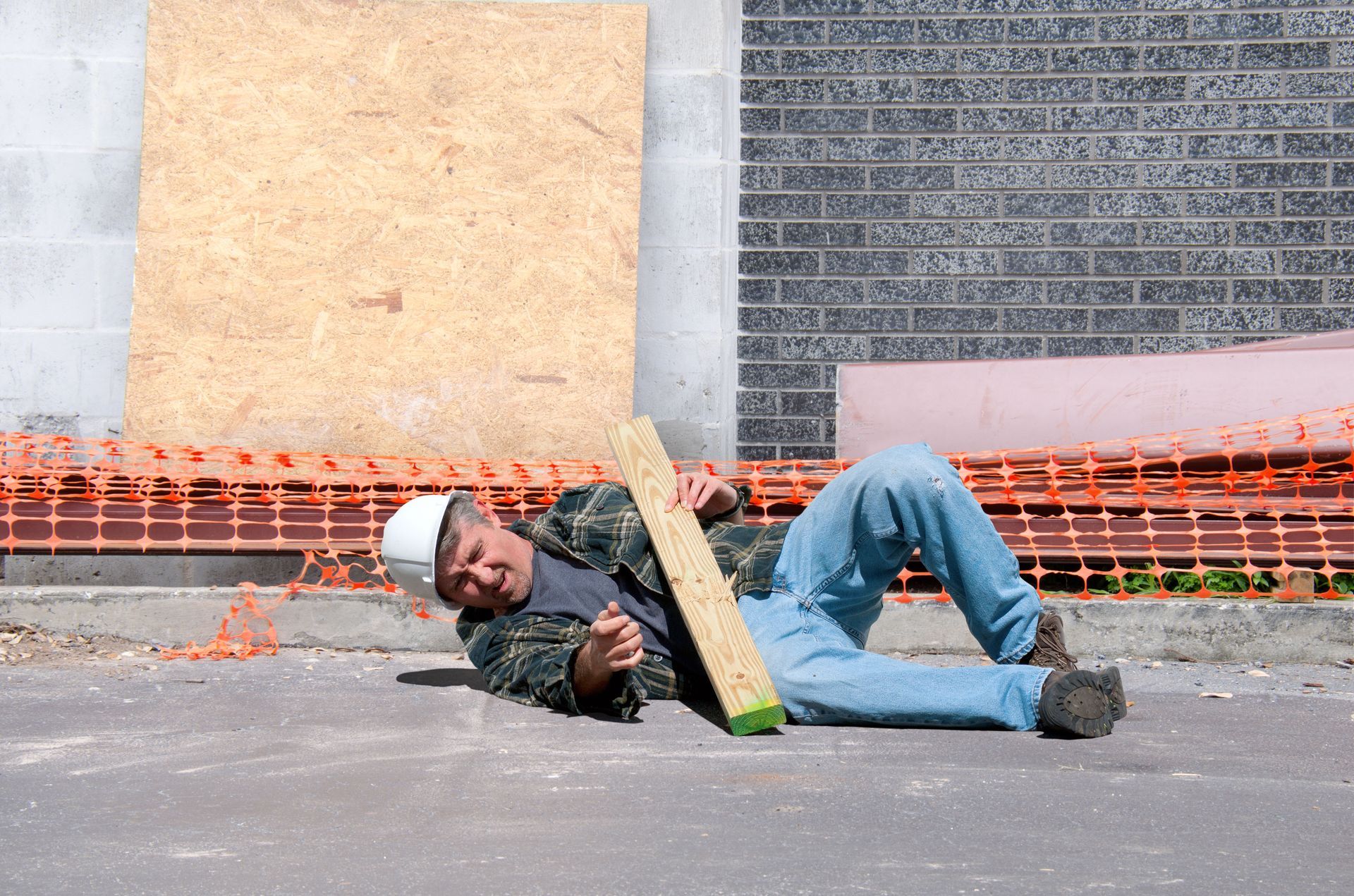
Choosing the right fall protection equipment is an important responsibility for any business with employees working at heights. Whether the work takes place on rooftops, platforms, ladders, scaffolding, elevated machinery, or construction sites, fall hazards can create serious risks when they are not properly addressed. A thoughtful safety plan helps protect workers, support compliance, and reduce the likelihood of preventable injuries. Because every workplace is different, the right approach depends on the industry, environment, tasks, and level of exposure involved.
A fall protection system should be selected with more than basic equipment needs in mind. Employers must consider how workers move, what surfaces they access, how often the work occurs, and what hazards are present. Some industries need permanent guardrails, while others require personal fall arrest equipment, anchor points, or customized solutions. Understanding these factors can help businesses create safer work environments and choose equipment that supports both protection and productivity.
Evaluating Industry-Specific Hazards
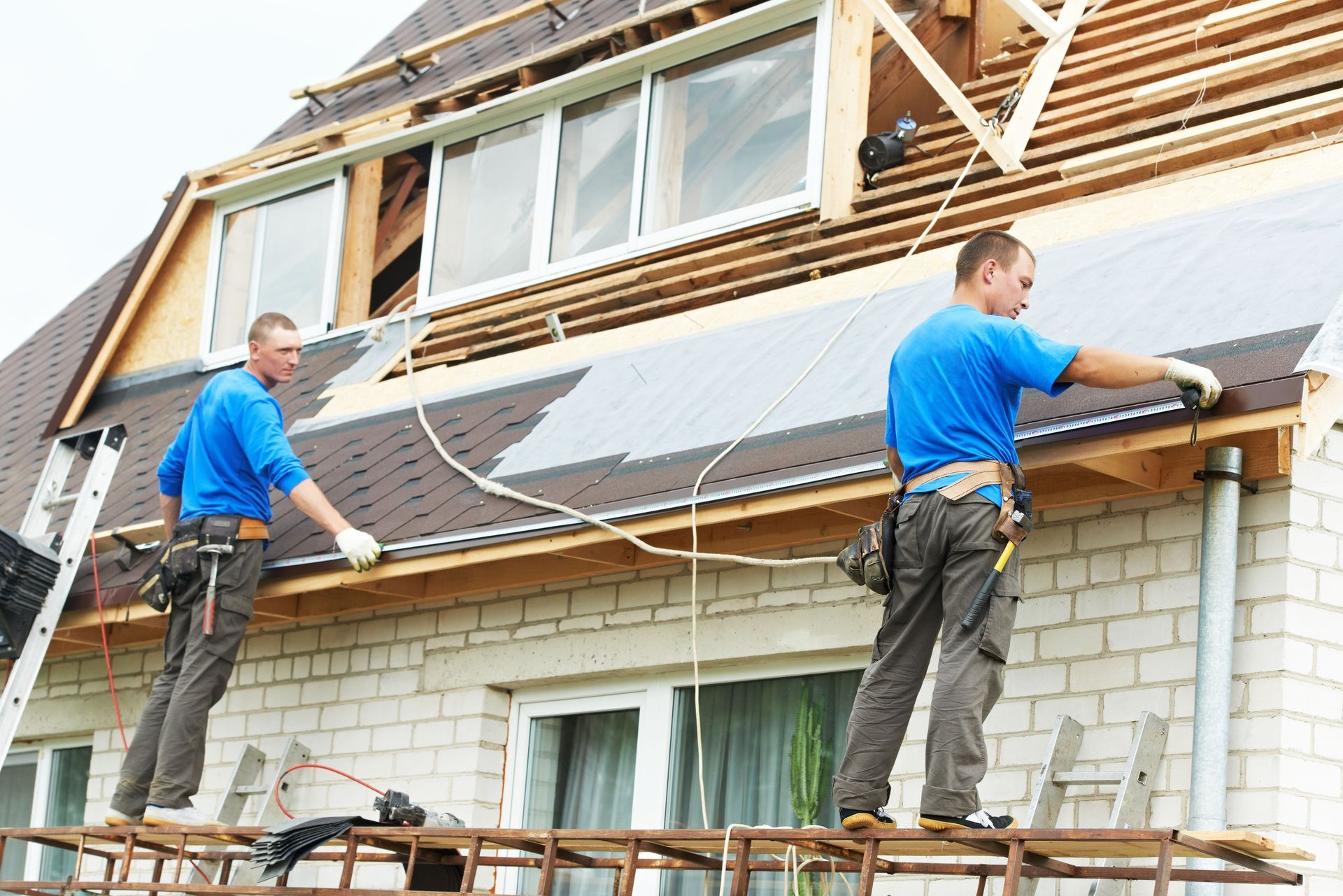
The first step in choosing the right equipment is understanding the specific hazards within your industry. Construction sites may involve open edges, unfinished structures, scaffolding, and changing work areas. Manufacturing facilities may include mezzanines, elevated platforms, machinery access points, and loading docks. Warehouses, utilities, roofing companies, and maintenance teams may all face different challenges depending on how and where employees work.
Industry-specific evaluation helps determine whether workers need passive protection, active protection, or a combination of both. A fall protection system that works well for a rooftop crew may not be appropriate for an industrial facility or confined maintenance area. By identifying hazards before selecting equipment, businesses can avoid generic solutions and develop a plan that matches actual workplace conditions.
Assessing Worksite Layouts
The physical layout of a worksite has a major impact on fall protection decisions. Employers should consider access points, walking surfaces, roof edges, ladders, hatches, platforms, skylights, and equipment locations. A site with fixed work areas may benefit from permanent systems, while a changing jobsite may require portable or temporary options. The goal is to choose protection that fits the way workers actually move through the space.
Layout also affects how easy the equipment is to use. If protection is difficult to access or interferes with normal tasks, workers may be less likely to use it correctly. Reviewing the site layout allows companies to position anchors, rails, lifelines, or barriers where they provide effective protection without disrupting workflow. Careful planning supports both safety and efficiency.
Comparing Passive Protection Options
Passive protection helps prevent falls without requiring workers to actively connect to equipment. Guardrails, barriers, covers, and safety gates are common examples. These options can be especially useful in areas where many employees work near the same hazard or where frequent access is needed. Because passive systems are always in place, they can reduce the chance of user error.
According to Occupational Health & Safety, personal fall arrest systems were used in 31.3% of the falls and guardrails in 16.1% of the falls. This fact highlights the importance of choosing equipment thoughtfully and understanding how different solutions function in real workplace situations. Guardrails and barriers may be ideal for certain industries, but they still need proper placement, construction, and maintenance to remain effective.
Comparing Active Protection Options
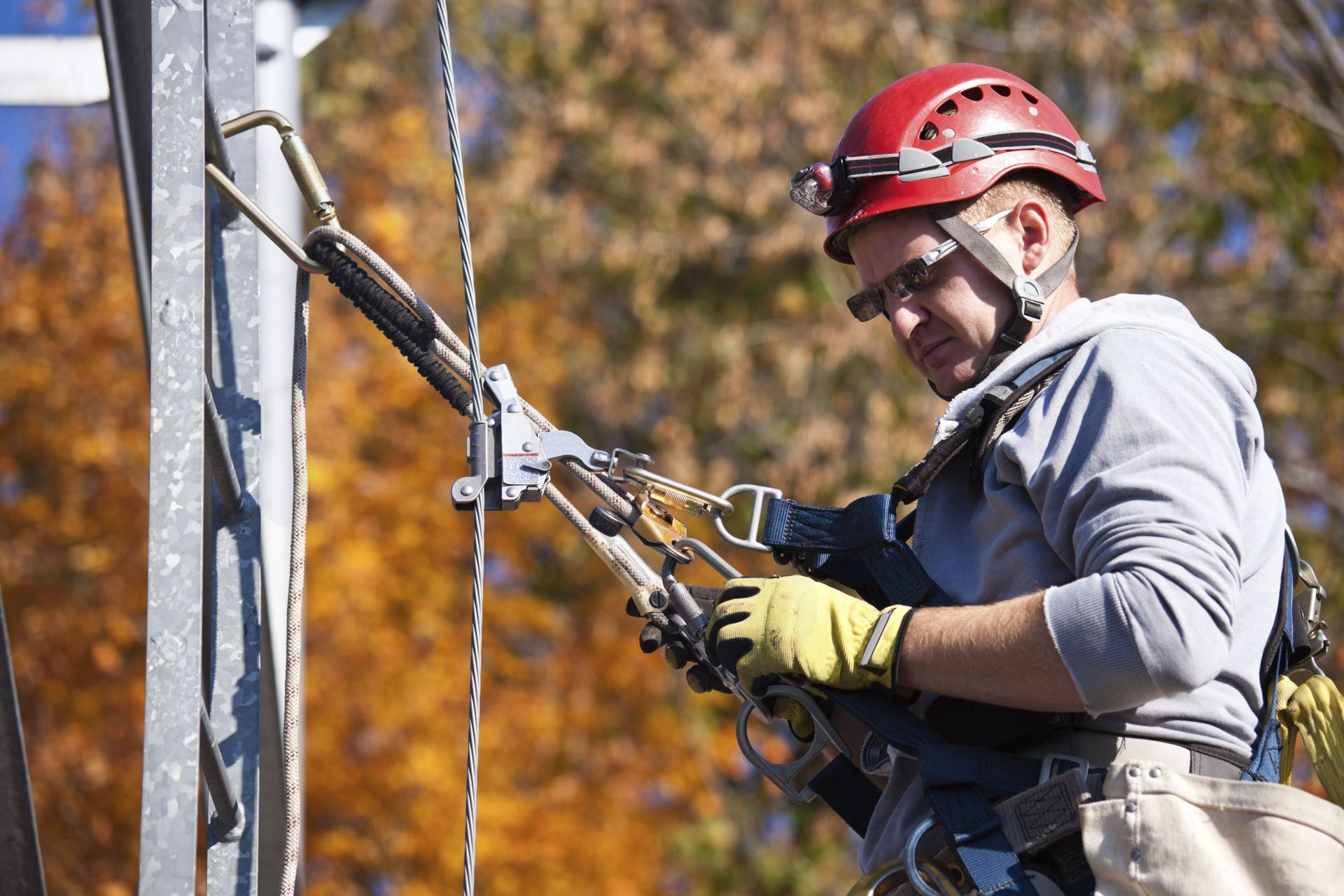
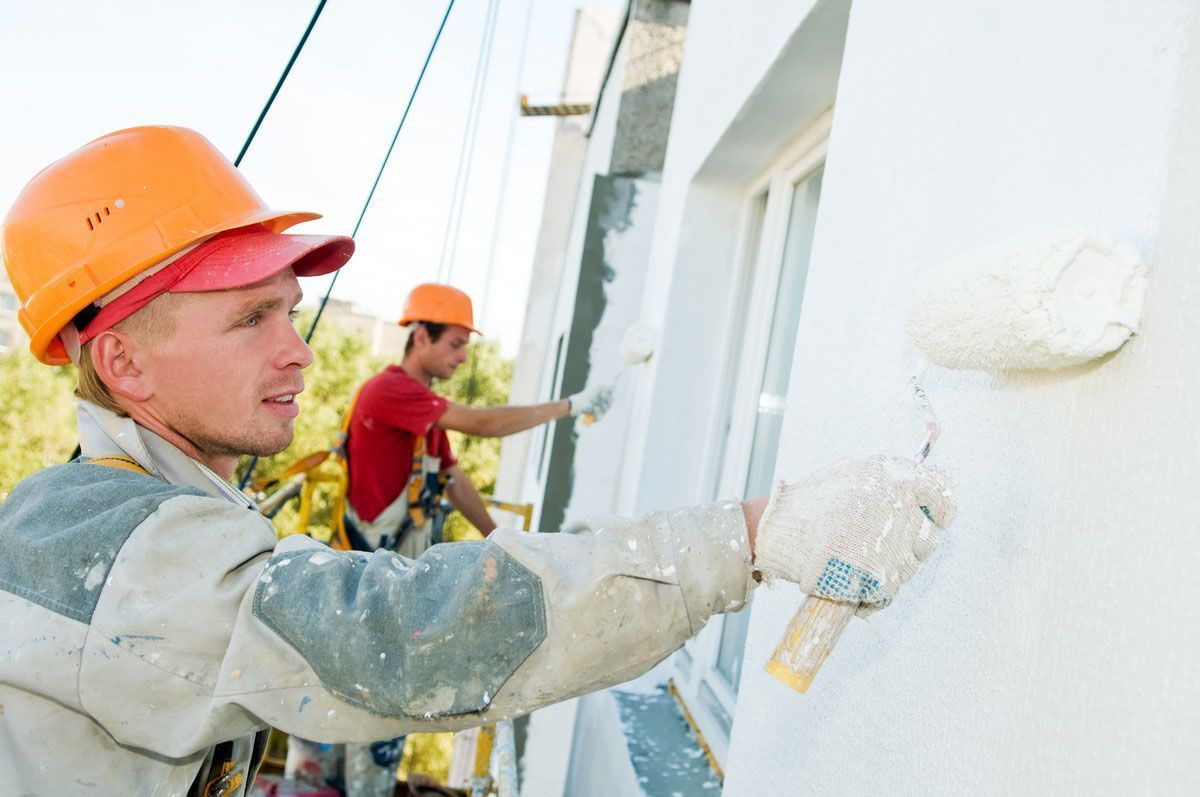
Active protection requires workers to use equipment such as harnesses, lanyards, lifelines, connectors, and anchor points. These systems are often necessary when guardrails or barriers are not practical. Roofing, tower work, elevated maintenance, steel erection, and certain construction tasks may require active equipment because workers must move through areas where fixed barriers are not possible.
An active fall protection system must be selected carefully to match the task and environment. Anchor strength, fall clearance, swing fall hazards, worker mobility, and rescue planning all matter. Equipment must fit properly, connect securely, and allow employees to complete their work without creating new risks. Active systems can provide strong protection, but they depend heavily on proper use and training.
Considering Worker Mobility
Different jobs require different levels of movement. Some workers stay in one area, while others travel across rooftops, climb structures, or move between elevated work zones. The more movement a job requires, the more carefully equipment must be selected. Workers need protection that allows them to perform tasks safely without becoming tangled, restricted, or exposed to unnecessary hazards.
For example, horizontal lifeline systems may support movement across longer distances, while self-retracting lifelines may be useful for certain vertical or overhead applications. A fall protection system should support the worker's natural movement while maintaining a secure connection and reducing fall distance. Considering mobility early can help prevent frustration and improve proper equipment use.
Reviewing Compliance Requirements
Fall protection decisions should be guided by applicable safety standards and regulatory requirements. Different industries may have different rules based on height, work activity, equipment type, and hazard exposure. Employers must understand which requirements apply to their worksites and select equipment that helps meet those obligations. Compliance is not only about avoiding penalties; it is about creating safer conditions for workers.
Documentation, inspections, training records, and written safety procedures may also be part of a complete program. Equipment should be installed and used according to manufacturer instructions and relevant standards. Working with knowledgeable safety professionals can help businesses identify compliance gaps, select appropriate solutions, and build programs that support long-term workplace safety.
Planning Rescue Procedures
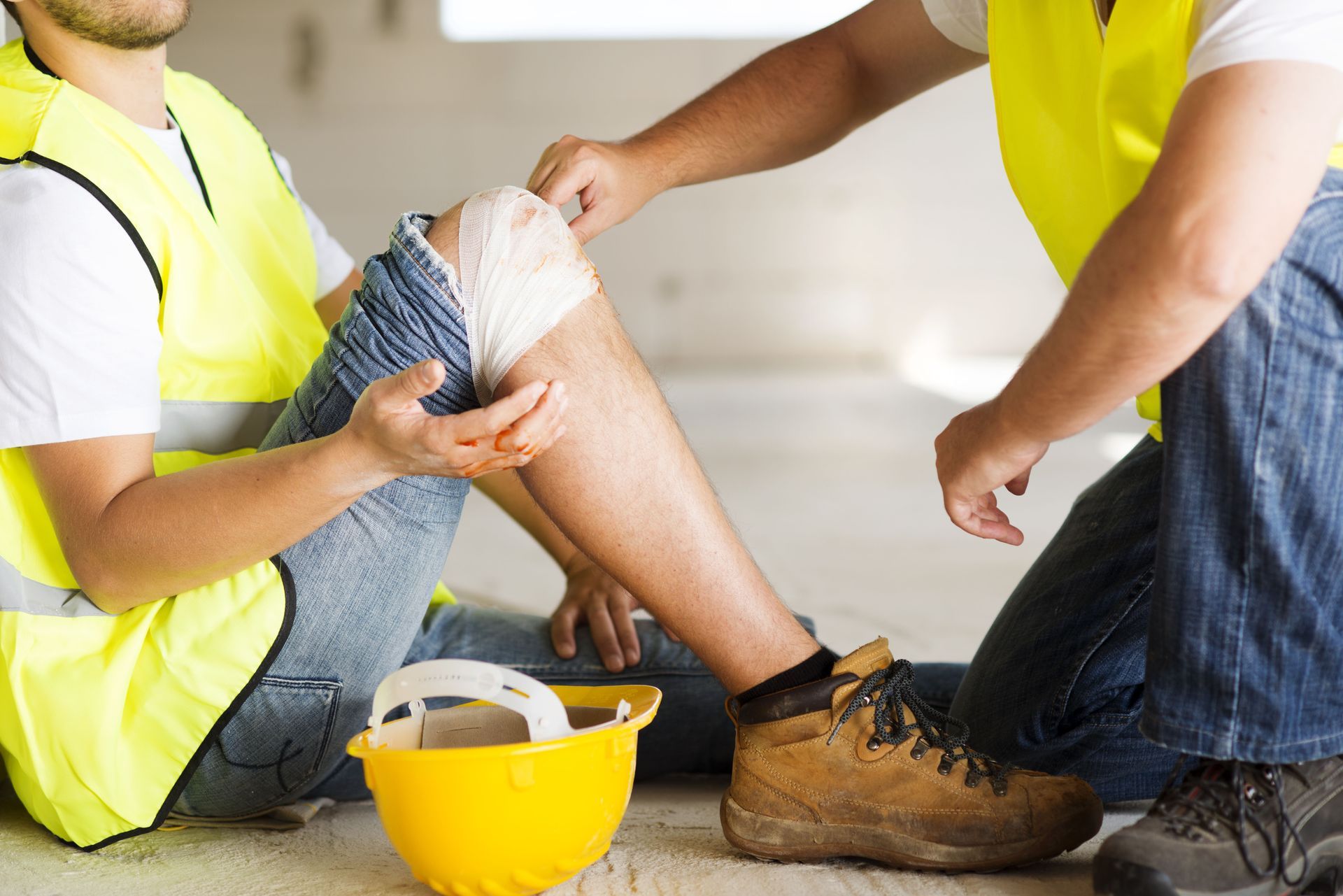
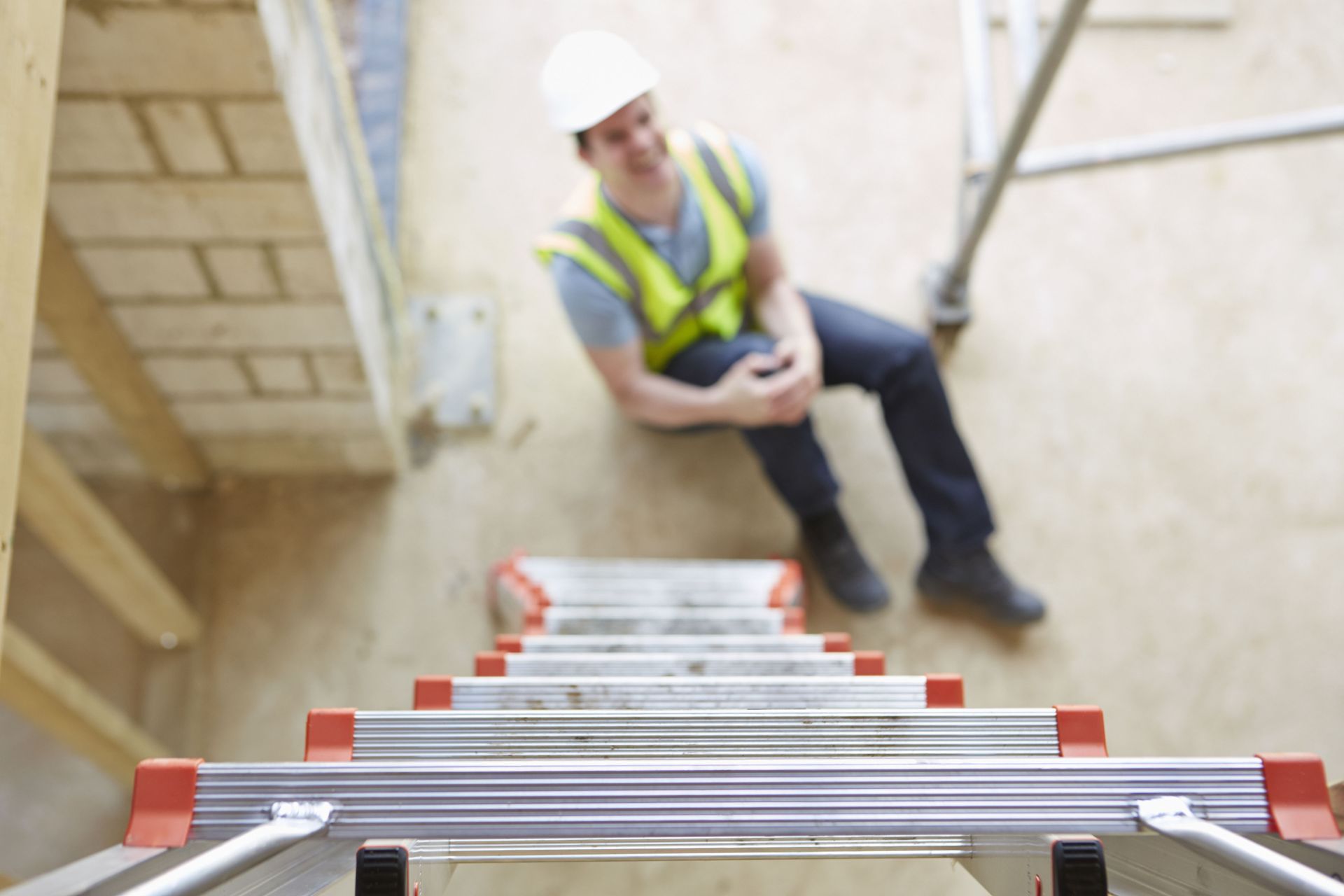
Rescue planning is often overlooked when businesses select fall protection equipment. If a worker falls while connected to a personal fall arrest system, the incident does not end when the fall is stopped. The worker may still be suspended and in need of prompt assistance. Employers should have a clear rescue plan before work begins, not after an emergency occurs.
Rescue planning may involve equipment, trained personnel, communication procedures, and response timelines. The right fall protection system should be compatible with the rescue strategy for the worksite. Planning ahead helps reduce confusion during emergencies and supports a faster, more organized response when every moment matters.
Prioritizing Training and Inspections
Even the best equipment cannot provide proper protection if workers do not know how to use it. Training should explain hazards, equipment selection, proper fit, connection points, inspection procedures, and emergency steps. Workers should also understand the limits of each piece of equipment and know when something should be removed from service.
Regular inspections are equally important. Harnesses, lanyards, anchors, lifelines, rails, and connectors can wear down, become damaged, or lose effectiveness over time. A fall protection system should be inspected according to the manufacturer's recommendations and workplace safety procedures. Ongoing training and inspections help keep equipment reliable and reinforce a strong safety culture.
Balancing Safety and Productivity
Safety equipment should protect workers while allowing them to complete tasks efficiently. When systems are overly complicated or poorly matched to the job, they may slow work, create frustration, or encourage shortcuts. Choosing practical solutions helps employees stay protected while maintaining productivity. The best equipment fits the work rather than forcing workers to adjust around a poorly planned setup.
Balancing safety and productivity requires communication between employers, workers, and safety professionals. Employees who use the equipment daily can often provide valuable feedback about access, movement, and task challenges. A well-designed fall protection system supports worker confidence and helps businesses maintain safe operations without unnecessary disruption.
Choosing the right fall protection equipment requires careful evaluation of industry hazards, worksite layout, protection options, mobility needs, compliance requirements, rescue planning, training, inspections, and productivity concerns. No single solution works for every workplace, which is why businesses benefit from a thoughtful approach tailored to their specific risks and operations. When selected and maintained properly, the right fall protection system can help reduce hazards, support compliance, and protect employees who work at heights. To explore safety solutions designed for your industry and workplace needs, contact Northland Safety Solutions LLC.

Share On: