What Are Fall Protection Systems and Why Every Job Site Needs One
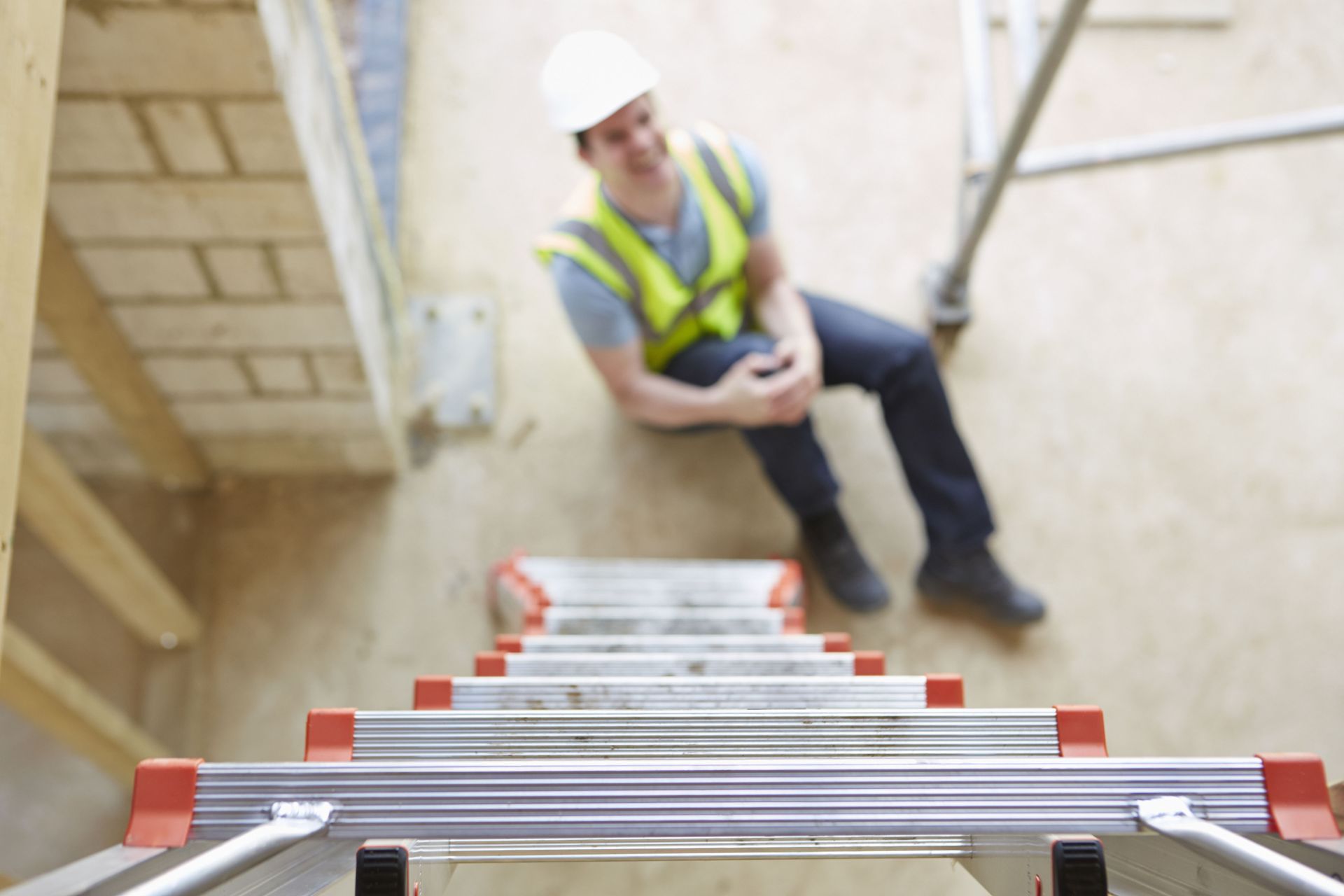
Fall protection systems represent a quintessential component in workplace safety, particularly in sectors where employees face elevated hazards. The core purpose is straightforward: prevent personnel from falling or mitigate drop impacts, safeguarding human lives and maintaining operational integrity on-site. As modern workplaces evolve in complexity, the relevance of comprehensive safety solutions becomes far more pronounced. With height-related accidents ranking among the leading causes of occupational fatalities, adopting proactive protective measures has moved from an optional practice to an absolute necessity for managers.
Define Fall Protection Systems
These specialized fall protection systems encompass all the strategic measures and physical equipment engineered to eliminate or reduce the consequences of falling from elevated work zones. These integrated configurations typically combine permanent structures designed into the building architecture with temporary assets like debris netting and personal protective gear. The fundamental goal is to safeguard the worker at every stage of a project, promoting an enduring culture of safety that significantly mitigates injury risks.
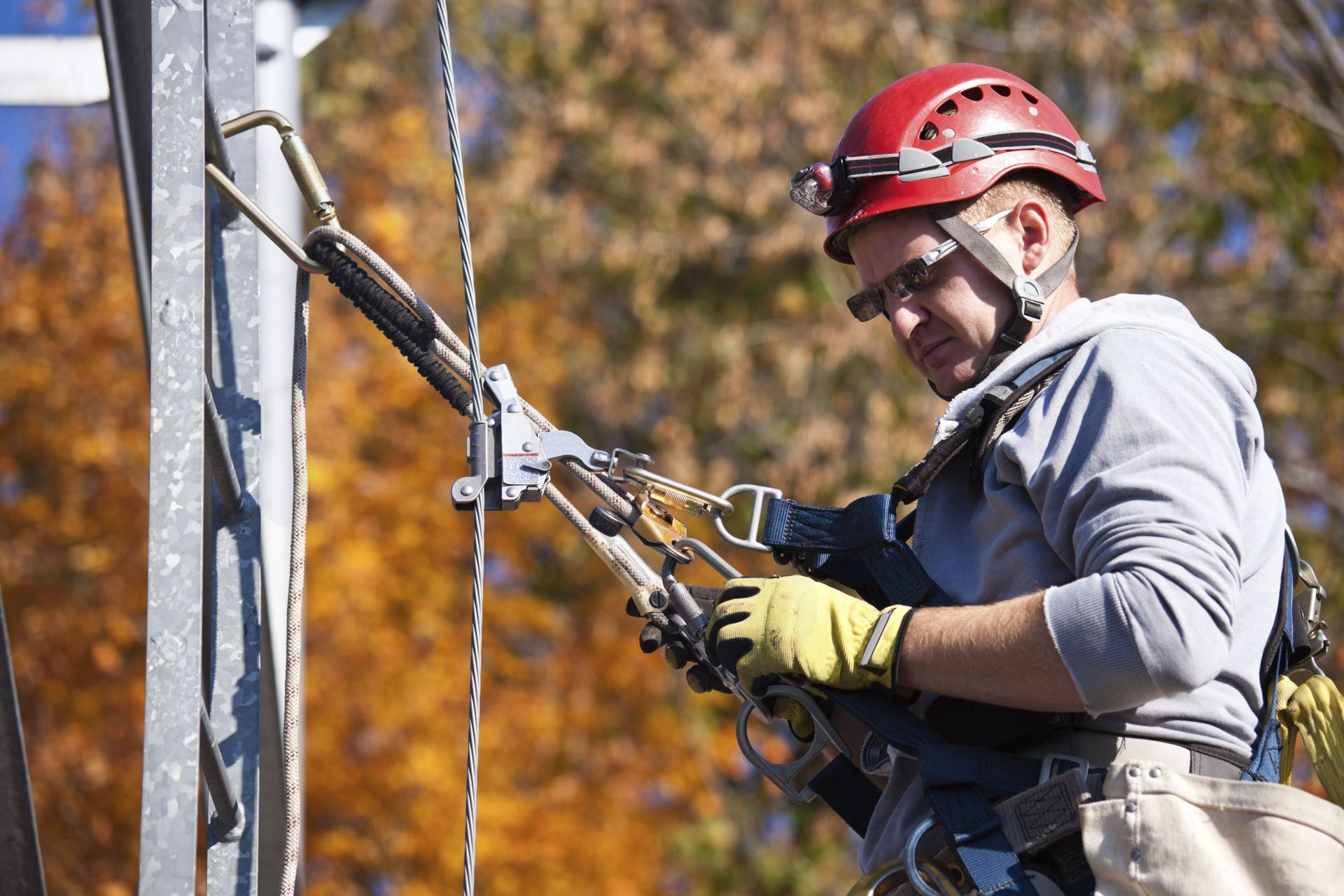
The specific components of these setups vary based on the unique industrial setting and the precise operational risks involved. Key elements include secure anchorage points, full-body harnesses, and specialized connectors designed to arrest a descent safely. According to the CDC, research shows that the actual usage of life-saving gear is 71% lower among employees whose companies completely fail to perform proactive safety planning. This striking statistic illustrates the profound difference that rigorous administrative preparation makes in maintaining a secure work environment.
Identify Various Equipment Types
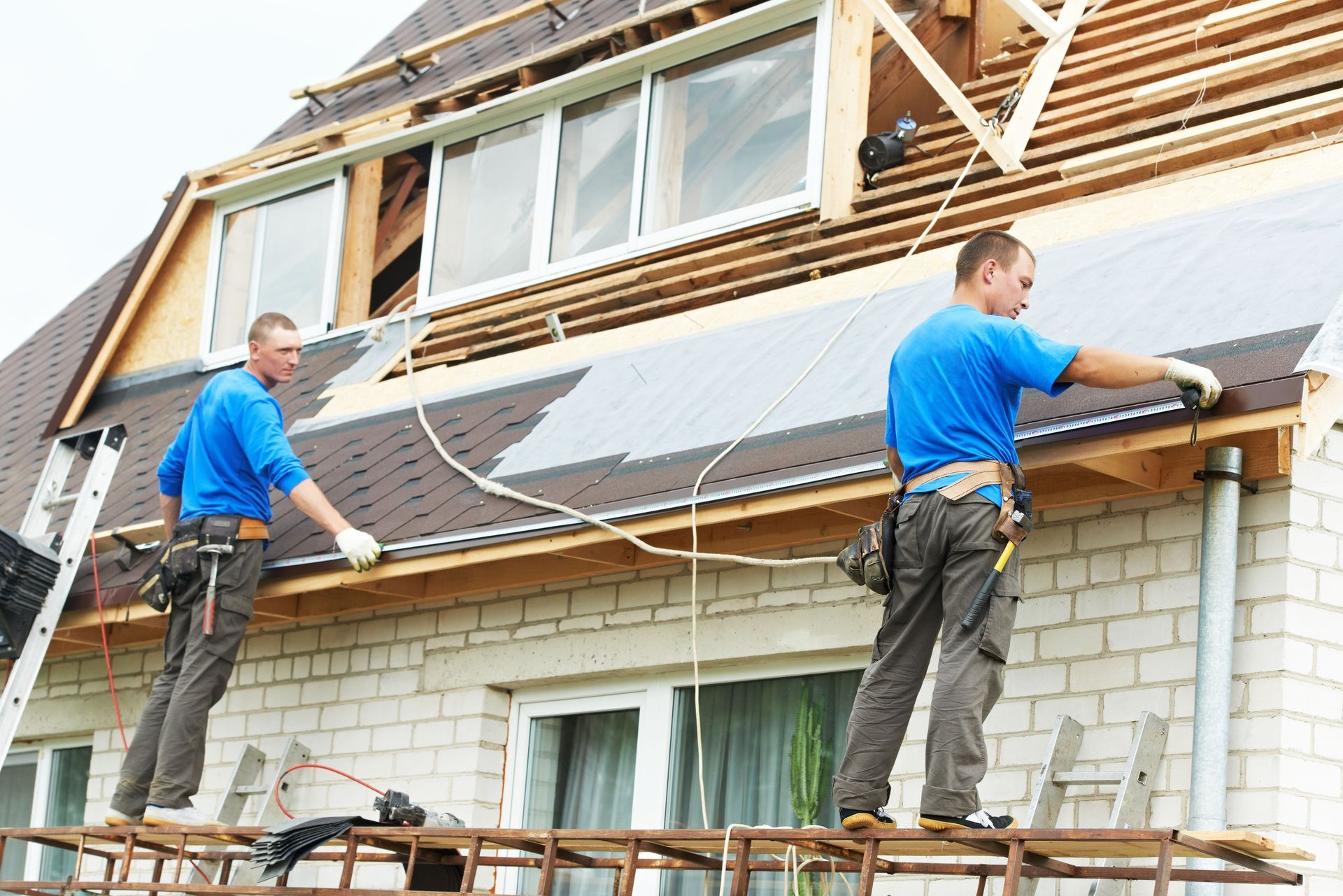
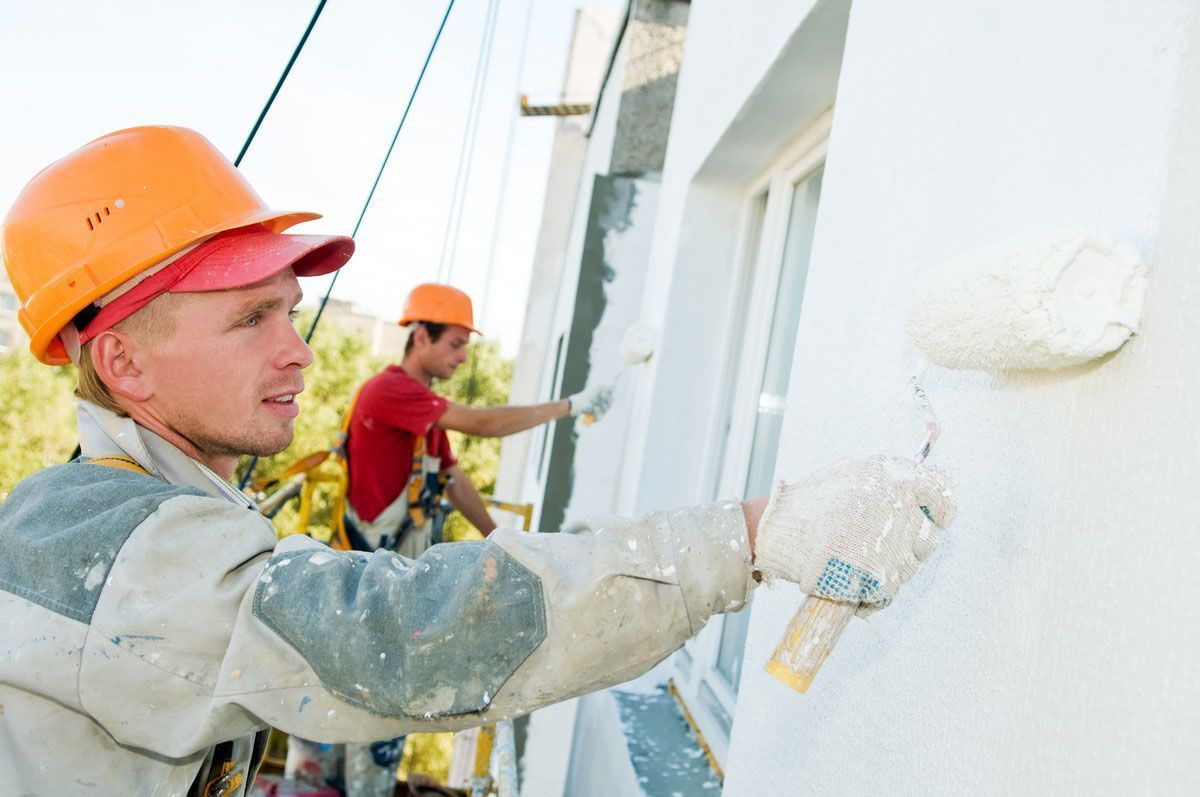
Safety solutions can be classified into several distinct categories depending on the specific risks they mitigate and the layout of the site. Guardrails represent a common form of passive protection, serving to warn workers of an edge and physically prevent falls. Safety nets offer another traditional solution, functioning to catch falling personnel or dropping tools before they cause severe injuries. Active fall protection systems engage immediately to halt a drop already in motion, utilizing specialized harnesses and shock-absorbing lanyards. Restraint lines offer another layer of security by restricting a worker's movement before they can ever reach a dangerous edge.
Not all protective approaches rely purely on physical barriers, as administrative controls also constitute a vital aspect of a site safety plan. These non-physical methods include practices such as roping off hazardous zones, posting warning signs, and establishing operational guidelines. Regular safety awareness training falls squarely into this category, giving personnel the essential knowledge they need to recognize hazards early. Scheduled equipment audits complement these training sessions by verifying that every physical asset remains in optimal working condition. Combining physical equipment with smart administrative rules ensures excellent redundancy, providing broad coverage against unexpected workplace accidents.
Explore the Underlying Science
The engineering principles underpinning modern fall protection systems draw heavily from classical physics, biomechanics, and advanced materials science. Physics plays a foundational role because it involves precise calculations regarding gravity, mass, and kinetic forces that dictate how components bear sudden loads. Engineers must carefully consider impact force distribution, deceleration distances, and energy absorption capabilities when developing these structural assets. This scientific approach ensures that devices can successfully manage extreme energy during an accidental drop, minimizing bodily harm.
Material science further enhances these safety configurations by guaranteeing the long-term resilience and durability of every individual component used. With properties like high tensile strength and flexibility being critical, industrial materials are selected based on their performance under stress. Innovations in synthetic polymers, advanced metal alloys, and lightweight composites have expanded the reliability of modern harnesses and anchor connectors. Moreover, ergonomic design optimizes the interface between gear and the human body, preventing physical discomfort and encouraging daily compliance.
Meet Legal Regulatory Frameworks
The extensive framework of national laws and industry regulations governing site safety is essential for ensuring standard compliance across multiple sectors. In the United States, the Occupational Safety and Health Administration establishes strict benchmarks and mandatory guidelines that employers must follow diligently. These federal mandates require appropriate safety interventions at specific elevated thresholds depending entirely on the nature of the industry. Adhering to these guidelines is not merely a matter of avoiding legal trouble; it reinforces a company's commitment to maintaining a hazard-free environment.
International standards from global organizations provide a broader perspective on safety governance, helping cross-border businesses harmonize their operational protocols efficiently. Key compliance activities revolve around meticulous documentation, routine equipment inspections, and immediate corrective actions whenever hazards are identified on the site. Employers must maintain clear records of safety meetings and equipment audits to prove their ongoing dedication to workforce protection. Investing in verified fall protection systems ensures total adherence to these strict legal frameworks, protecting the firm from costly litigation and regulatory fines.
Debunk Common Safety Misconceptions
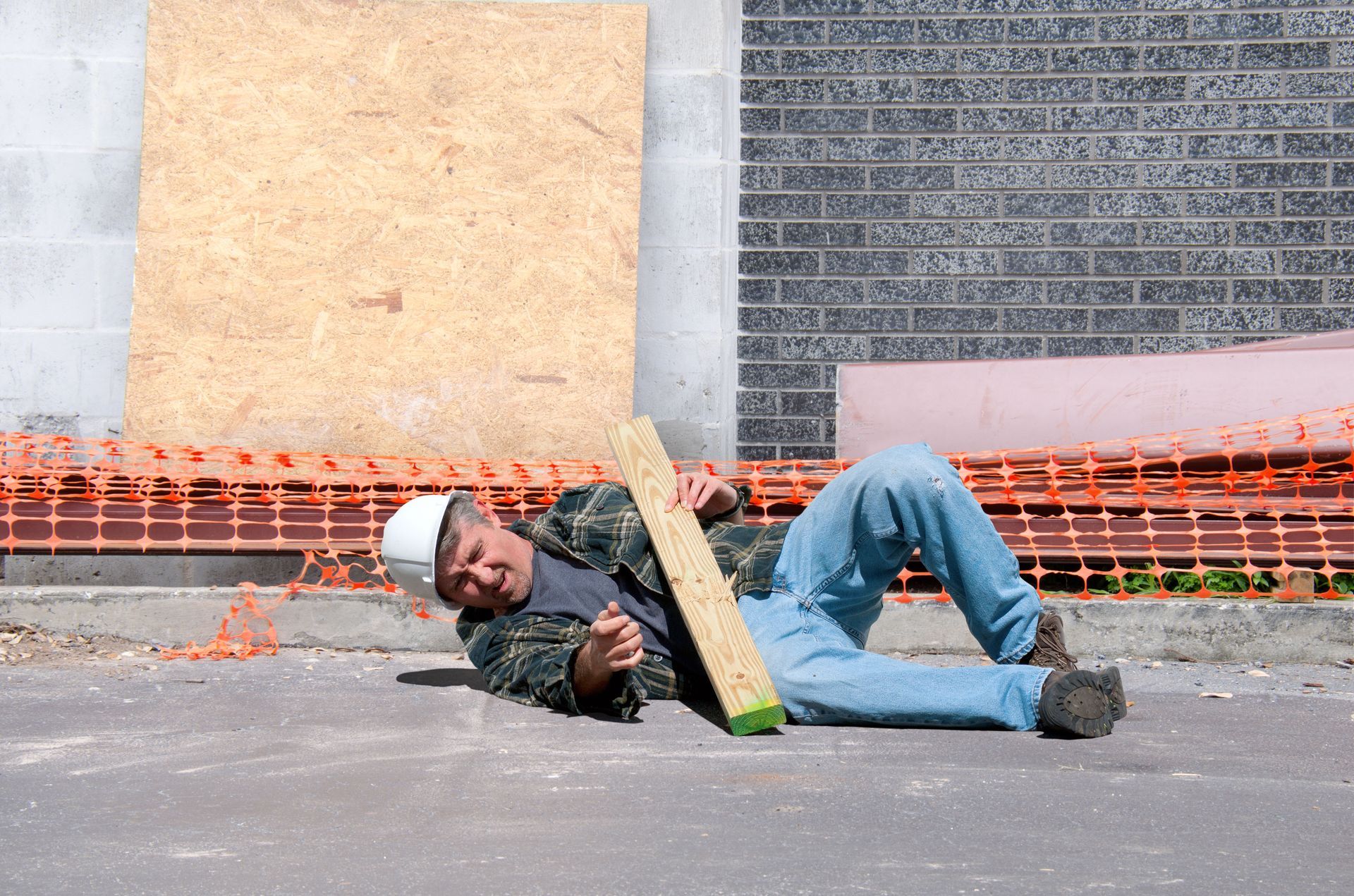
A highly pervasive myth regarding workplace safety is that specialized gear is only necessary for extreme heights or major construction projects. In reality, dangerous incidents can occur at relatively minor elevations or even through uncovered floor openings at ground level. Underestimating the hazards present in everyday tasks leads to a dangerous sense of complacency among both managers and field staff. Another incorrect belief is that utilizing basic, unrated ropes qualifies as sufficient protection, ignoring the comprehensive engineering required for true safety. Using uncertified components introduces catastrophic vulnerabilities that field teams frequently fail to recognize until an actual equipment failure occurs.
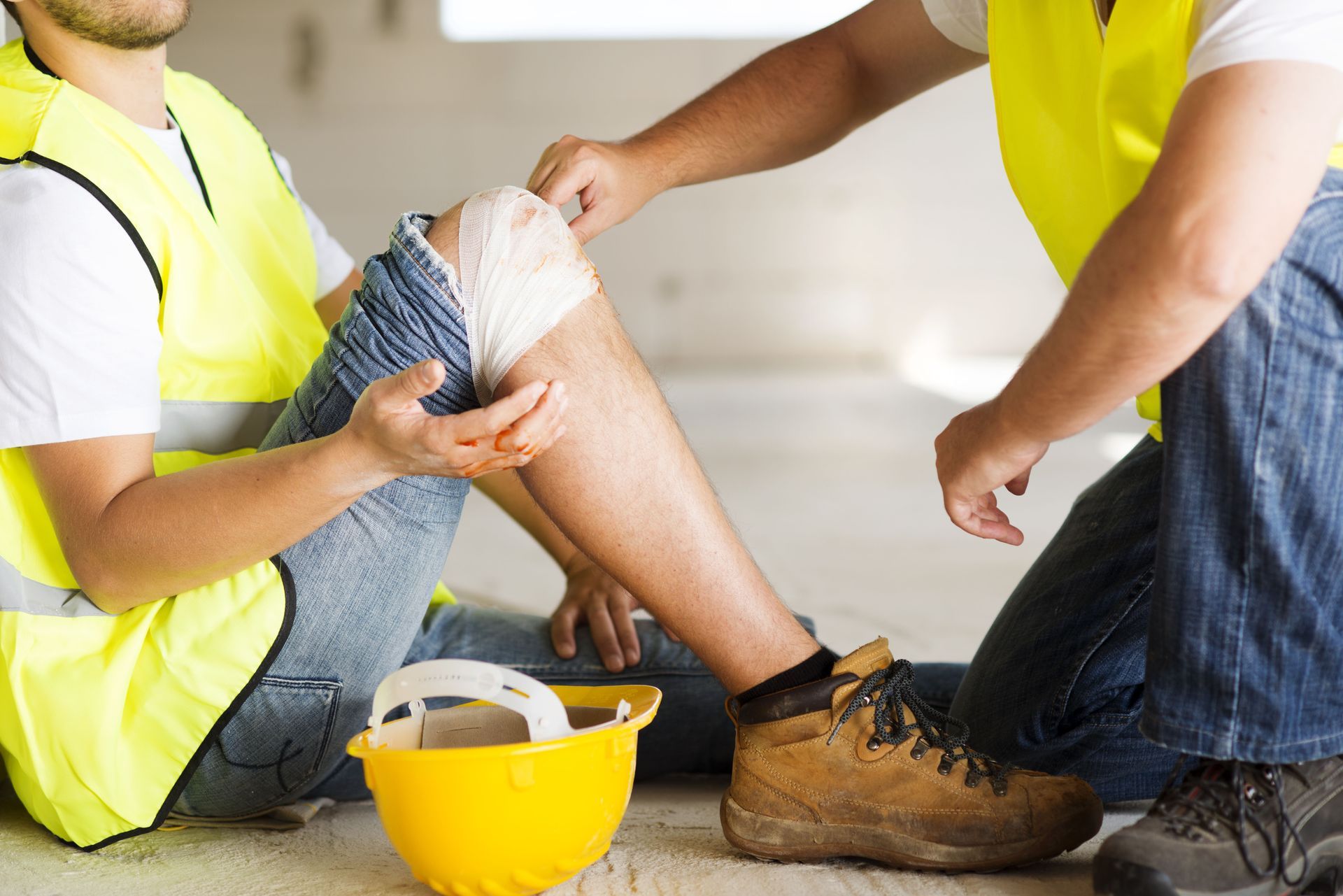
Some supervisors mistakenly believe that deploying advanced protective equipment is far too expensive or severely hinders daily worker productivity. This short-sighted perspective overlooks the reality that robust prevention programs drastically reduce the massive financial costs associated with workplace injuries and legal liabilities. Modern equipment is specifically engineered to be lightweight and non-intrusive, allowing laborers to move freely and complete their assignments efficiently. Streamlined safety setups often accelerate project timelines by removing the hesitation that naturally accompanies high-risk operations. Addressing these widespread misconceptions helps organizations transition away from outdated practices and focus on establishing modern safety programs.
Advance Total Site Efficiency
Integrating reliable safety equipment directly boosts job site efficiency by allowing the workforce to perform their duties without the constant fear of gravity-related hazards. When operators feel physically secure, they complete complex assignments with greater speed, accuracy, and overall focus. Minimizing workplace dangers prevents major operational disruptions, such as lengthy accident investigations, equipment damage, and sudden labor shortages caused by injuries. The confidence provided by a well-protected environment allows project managers to hit tight deadlines consistently while maintaining high quality control.
A visible commitment to safety enhances company morale and strengthens professional trust between the labor force and executive management. Workers who see their well-being prioritized are far more likely to stay engaged, follow company protocols, and maintain long-term loyalty to the firm. This positive cultural shift reduces costly employee turnover and elevates the organization's reputation within a competitive marketplace. In the end, safe practices and excellent operational performance go hand in hand, creating a sustainable business model built on responsibility.
Prioritizing reliable fall protection systems remains a non-negotiable duty for industry leaders who wish to protect their teams and optimize operational output. By investing in top-tier safety gear, debunking common myths, and maintaining strict compliance with national mandates, businesses lay a firm foundation for commercial growth and workforce stability. Ensuring that every technician returns home safely each day requires the right combination of high-quality hardware and professional planning. Let us help you elevate your site safety standards by partnering with our expert team at Northland Safety Solutions LLC today.

Share On: