6 Dangerous Scenarios Where an OSHA-compliant Fall Protection Solution Becomes Your Only Savior
Fall protection requires careful consideration of the work environment, the tasks employees perform, and the locations where fall hazards may exist. Engineered systems can provide protection for elevated areas such as building rooftops, exposed walkways, mezzanines, railcars, trucks, and other work environments. An OSHA compliant fall protection solution can be evaluated according to the specific conditions of the facility and the work being performed.
Fall hazards can occur in many elevated work environments, including building rooftops, exposed walkways, mezzanines, railcars, trucks, aircraft hangars, and industrial facilities. Addressing these hazards requires more than selecting a piece of equipment. A proper fall protection approach considers the facility's structure, the work being performed, available access points, and the way employees move through the area.
The commitment to workplace safety encompasses appropriate fall protection systems, careful planning, and user training. Engineered solutions can include guardrails, safety nets, personal fall arrest systems, horizontal lifelines, rigid rail systems, single-point anchors, access platforms, catwalks, and stairways. An OSHA compliant fall protection solution can be designed around specific environments and the conditions and tasks involved.
1. Elevated Rooftop Work
Assess the Rooftop Conditions
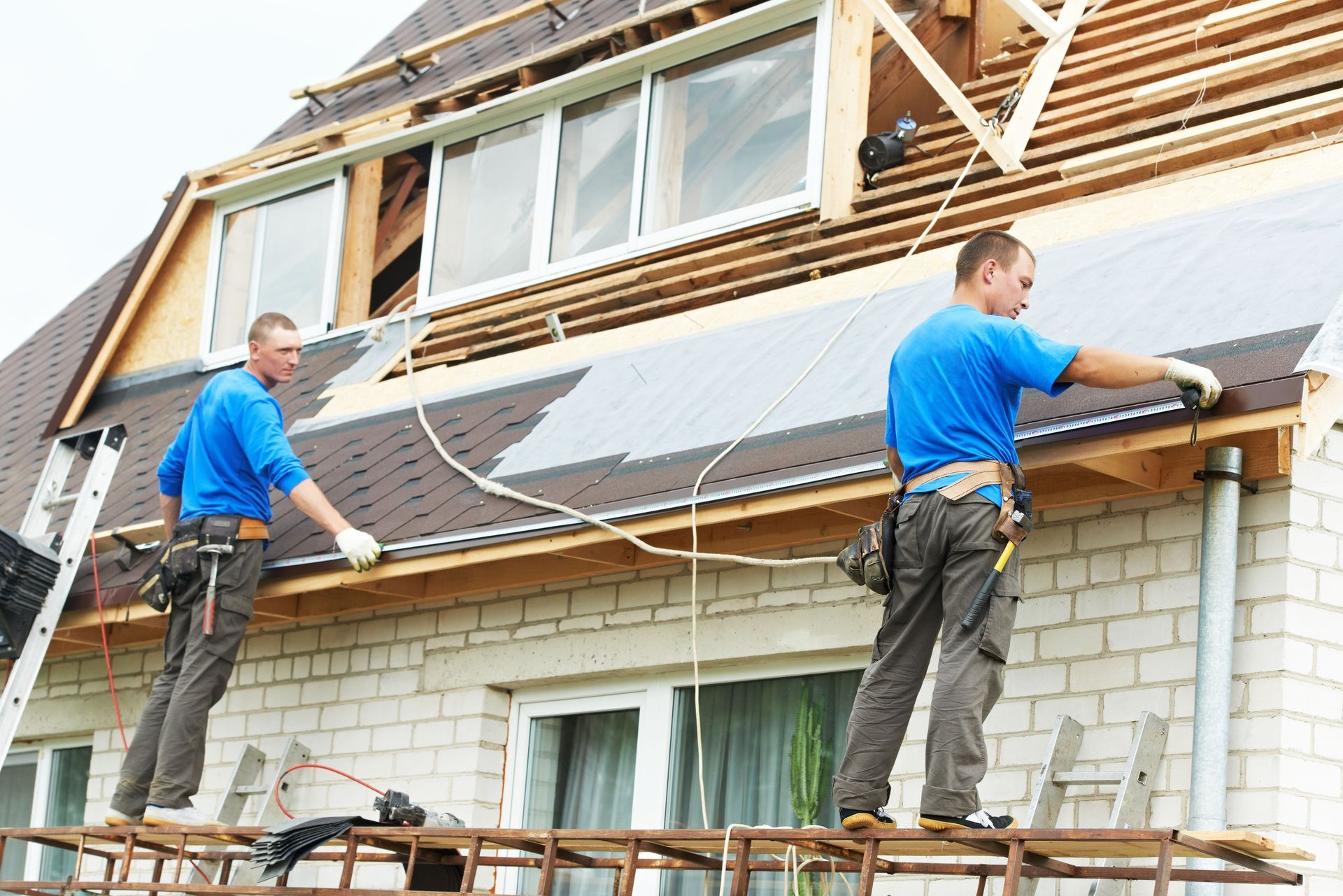
Building rooftops can present fall hazards when employees need to access elevated areas for work. An initial site assessment can consider the existing roof structure, the locations where employees need to work, and the conditions that affect fall protection placement. Evaluating the facility before designing a system can help determine which engineered solution fits the structure and the work being performed.
Install Rooftop Guardrails
Guardrails can provide passive fall protection around exposed rooftop edges. Engineered guardrail systems can be designed for building rooftops, exposed walkways, mezzanines, work platforms, and catwalks. Non-penetrating guardrails can also provide a self-supporting option without requiring holes in the mounting surface.
Consider Personal Fall Arrest Systems
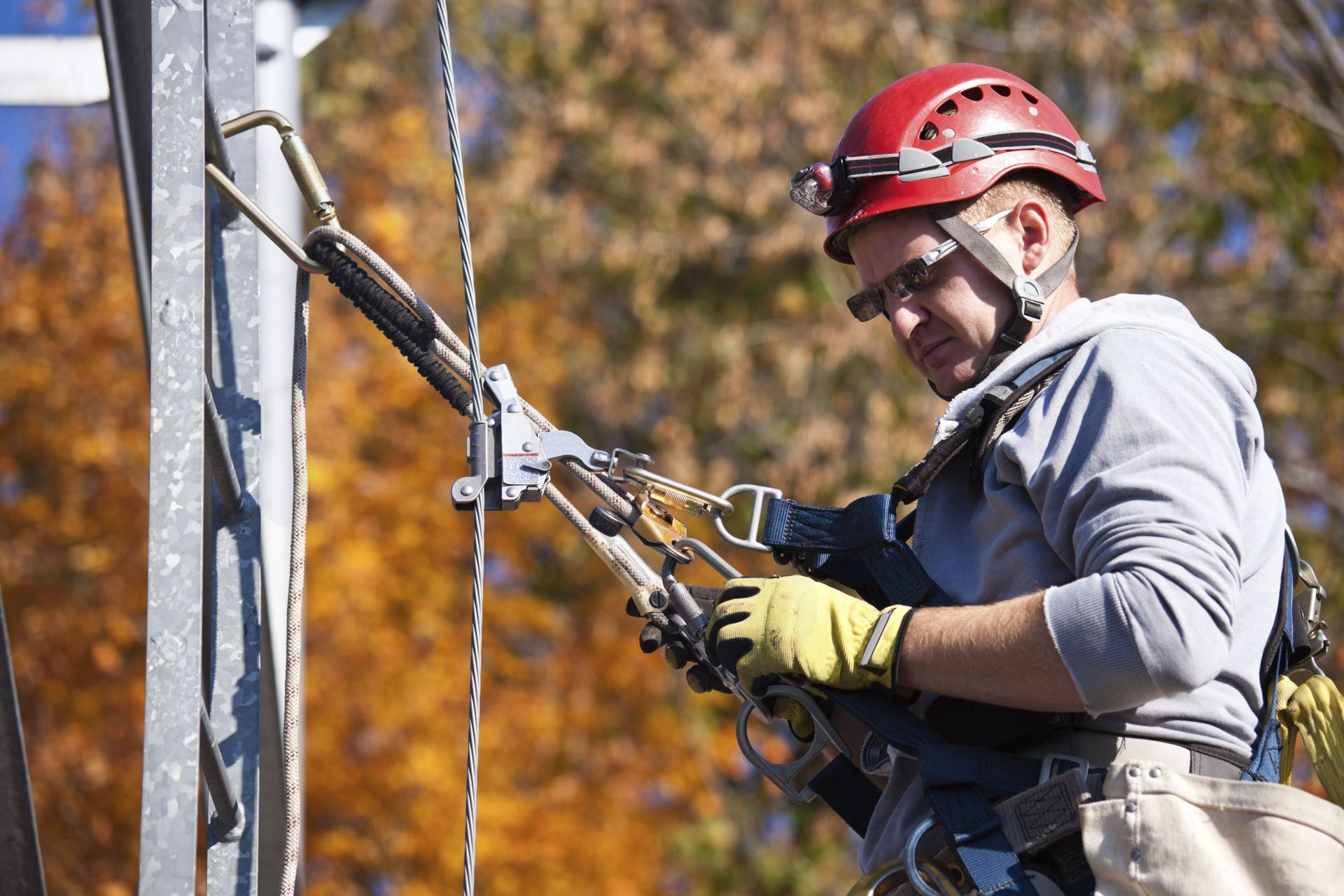
Personal fall arrest systems are another engineered fall protection option for elevated work areas. Depending on the facility and application, an OSHA compliant fall protection solution can incorporate a personal fall arrest system into a broader approach for employees working at height. User training can also help employees understand how to use the installed fall protection system within the work environment.
2. Exposed Edge Protection
Assess Exposed Work Areas
Exposed edges can create fall hazards in elevated work areas such as building rooftops, walkways, mezzanines, and catwalks. An initial site assessment can help identify where employees need access and where engineered fall protection should be incorporated. The design can then account for the facility's existing structure, equipment, access requirements, and other conditions that affect system placement.
Use Engineered Guardrails
Engineered guardrails can provide passive fall protection around exposed edges and elevated work areas. Non-penetrating guardrails as well as permanently installed systems can be designed for applications such as building rooftops, exposed walkways, mezzanines, work platforms, and catwalks. The appropriate design depends on the facility and the area requiring protection.
Design Horizontal Lifelines
Horizontal lifeline systems can be designed for fall-restraint or fall-arrest applications depending on the requirements of the customer and the specific environment. These systems can be engineered for areas such as building rooftops, exposed walkways, railcars and trucks, modular homes, overhead bridge cranes, aircraft hangars, and water treatment storage tanks. Their placement can be considered as part of the overall fall protection design.
3. Elevated Work Access
Build Safe Access Systems
Employees may need safe access to elevated work areas in industrial and commercial environments. Access platforms and catwalks can provide a designated route to an elevated work position while incorporating passive fall protection. Depending on the application, these systems can include stairways, platform structures, independent support structures, self-closing gates, and gangways.
Reach Elevated Work Areas
Access platforms can be designed for applications including railcars, trucks, building rooftops, exposed walkways, aircraft hangars, mezzanines, and modular homes. Catwalks can also be designed to integrate with an existing support structure or as an independent self-supporting structure. The design can account for the facility and the way employees need to access elevated areas.
Install Appropriate Stairways
Stairways provide another option for safe access between working levels. Depending on the project requirements, stairways can include conventional stairways, crossover stairs, ship's ladders, and fixed vertical ladders. These systems can be designed from materials such as raw steel, stainless steel, aluminum, or fiberglass.
4. Overhead Crane Protection
Assess Overhead Work Areas
Overhead bridge crane applications can require engineered fall protection for employees working at elevated locations. A site assessment can evaluate the existing facility, available access, structural conditions, equipment locations, and the areas where employees need to work. An OSHA compliant fall protection solution can then be incorporated according to the conditions of the facility and the work area.
Engineer the Right System
Engineered fall protection can be customized around the structure and requirements of an individual facility. Depending on the application, solutions can include horizontal lifelines, rigid rail systems, single-point anchors, guardrails, or other engineered systems. Design considerations can include the type of fall protection, existing structural conditions, obstructions, total fall-distance clearance, user-friendliness, production schedules, and overhead bridge cranes.
5. Custom Steel Integration
Coordinate Steel Fabrication
Custom steel fabrication may be required when installing an engineered fall protection system. Steel components can be fabricated and erected to support the requirements of the engineered system and the conditions of the facility. Working from the project's engineering requirements helps ensure that fabricated components are appropriate for their intended application.
Integrate Engineered Fall Protection
Fall protection systems can be engineered around the structural requirements of a facility and the work employees need to perform. Depending on the application, solutions can include guardrails, horizontal lifelines, rigid rail systems, and single-point anchors. An OSHA compliant fall protection solution can account for existing structural conditions and the required access to elevated work areas.
Plan Around Existing Conditions
Fall protection design may need to account for structural elements, electrical lines, air and water lines, heat ducts, material-handling systems, overhead bridge cranes, and other existing conditions. Considering these factors during the engineering process helps determine how the fall protection system can be incorporated into the facility without overlooking important site conditions. The resulting design can be tailored to the work environment and system requirements.
6. Protected Elevated Access
Design Elevated Access
Elevated work areas can require both safe access and fall protection. Access platforms and catwalks can provide designated routes to elevated work positions, while guardrails, horizontal lifelines, rigid rail systems, or other engineered solutions can address fall hazards based on the application. An evaluation of the facility and its existing conditions can help determine an appropriate system.
Train Fall Protection Users
User training is an important part of implementing a fall protection system. After installation, employees can receive training to help them understand the fall protection system installed at the facility and how it should be used in the applicable work environment. Ongoing training can help reinforce proper system use as employees continue working in elevated areas.
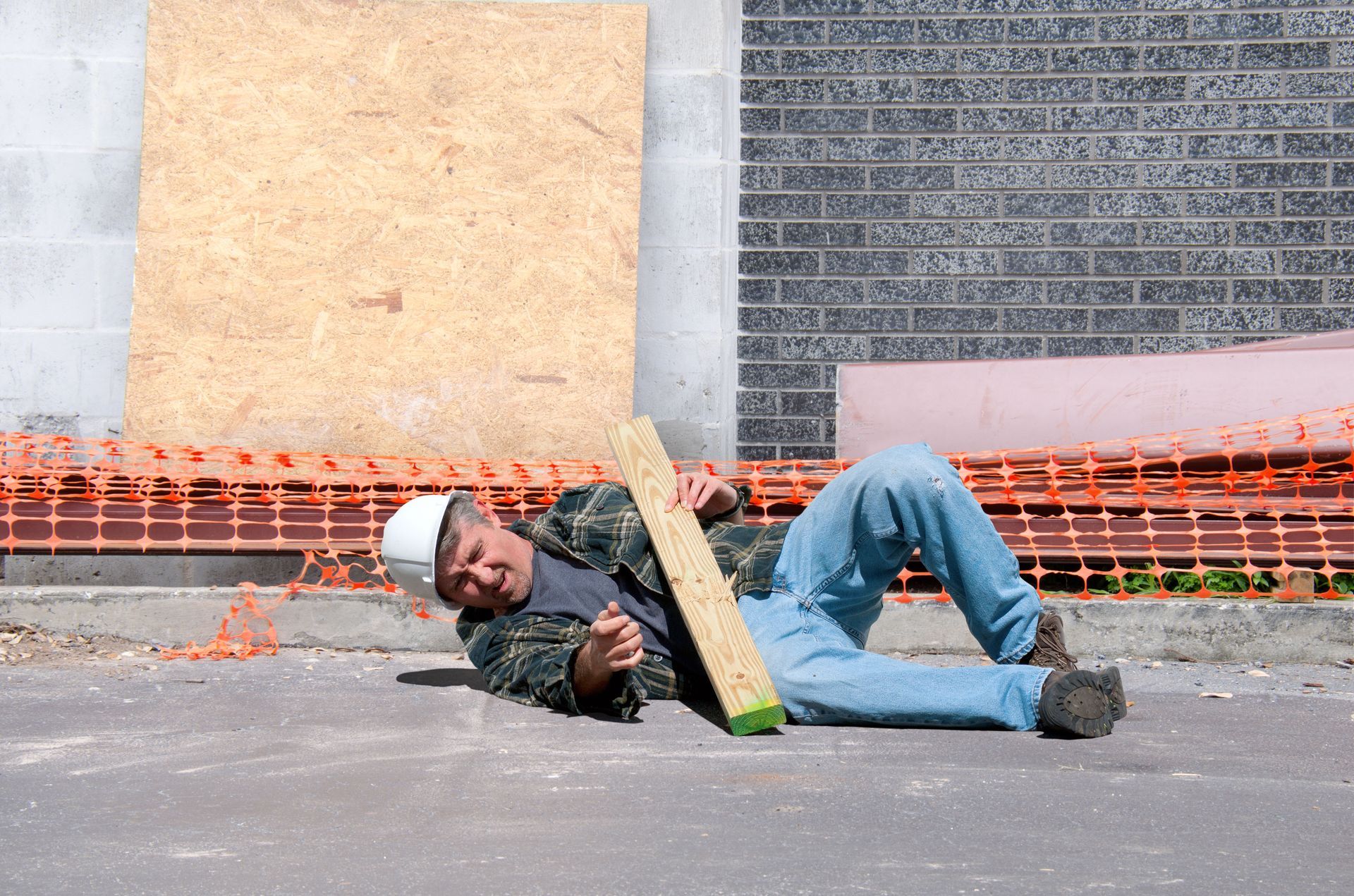
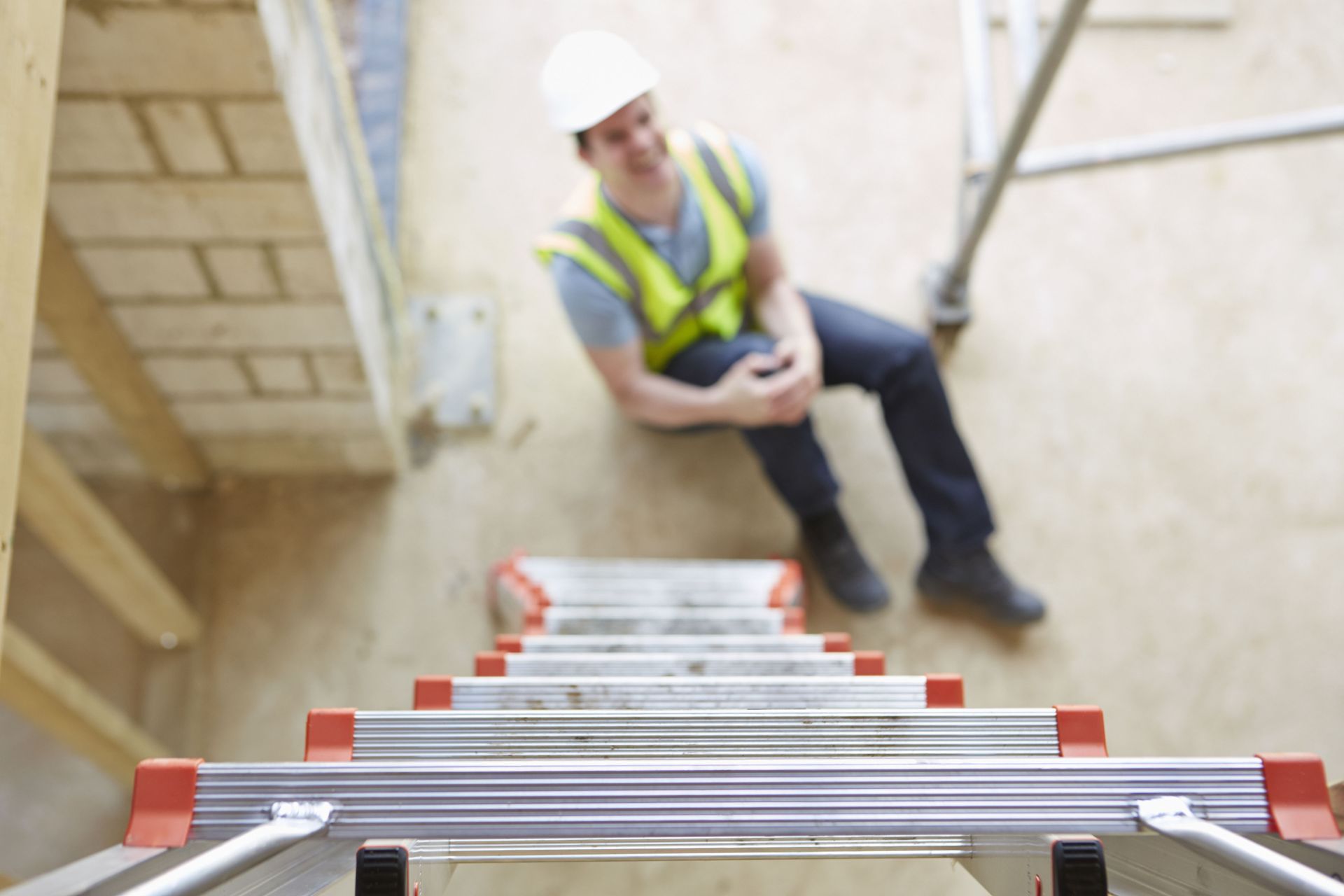
According to BLS, fatal falls, slips, and trips decreased 4.6% to 844 in 2024 from 885 in 2023, but 10.8% of these fatalities were from a worker falling from a height over 30 feet. This information highlights the importance of addressing fall hazards in elevated work areas. Careful planning can help align fall protection systems with the conditions and requirements of each facility.
Northland Safety Solutions LLC provides engineered systems and related services for industrial and commercial applications. Our approach can address the specific conditions of elevated work areas and the fall protection requirements of each facility. Learn more about our fall protection capabilities and how we can support your facility's needs.


Share On: