What's the Worst Fall You've Seen? The Brave Truth About Rigid Fall Protection
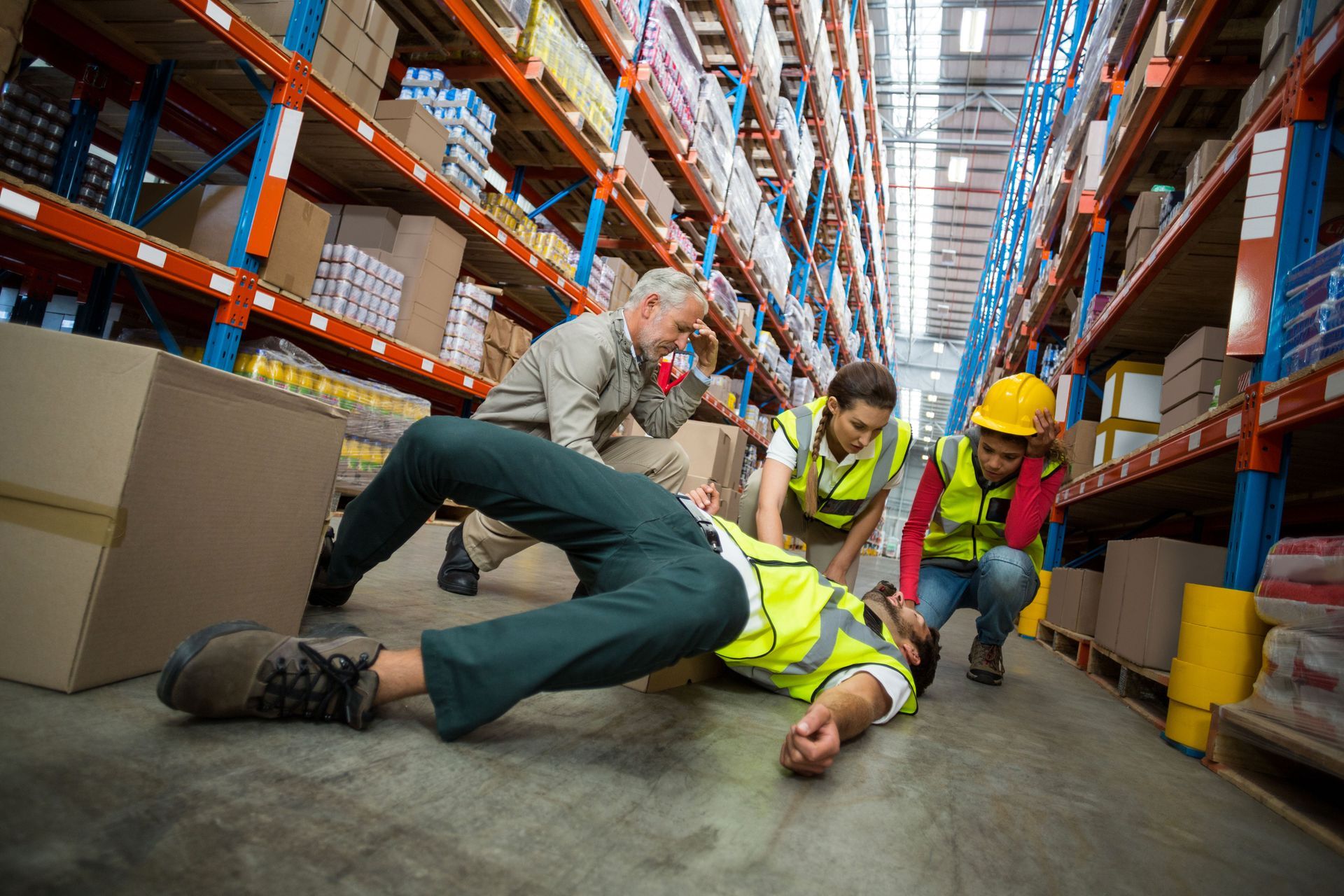
Fall protection is a critical safety measure in industries where workers are exposed to elevated surfaces and potentially hazardous conditions. Despite established safety standards, fall-related incidents remain a significant concern for employers and employees. Understanding the importance of rigid fall protection helps organizations identify appropriate equipment, improve workplace safety, and minimize preventable injuries. These systems provide dependable support in environments where traditional safety measures may not adequately address specific hazards. By examining their applications, implementation challenges, and long-term benefits, businesses can make informed decisions about protecting workers. A comprehensive approach to fall prevention also involves proper training, equipment inspections, and continuous improvements to workplace safety procedures.
Understanding the Basics of Rigid Fall Protection
Rigid fall protection systems typically incorporate engineered structural components designed to support workers during elevated tasks. Common configurations include rigid overhead tracks, fixed anchorage systems, and rail-based fall arrest equipment. Unlike flexible lifelines, rigid track systems minimize deflection during a fall, potentially reducing the required fall clearance when properly designed and installed. Their effectiveness depends on structural integrity, appropriate anchorage, and compatibility with personal protective equipment.
Over time, advancements in materials and engineering have improved the durability and versatility of these systems. Modern installations can accommodate different working heights, equipment configurations, and operational requirements. However, selecting an appropriate solution requires careful evaluation of workplace hazards, available clearance, and employee movement patterns. Employers should consult qualified professionals to determine which equipment best addresses their particular working conditions.
Common Types of Fall Protection Systems
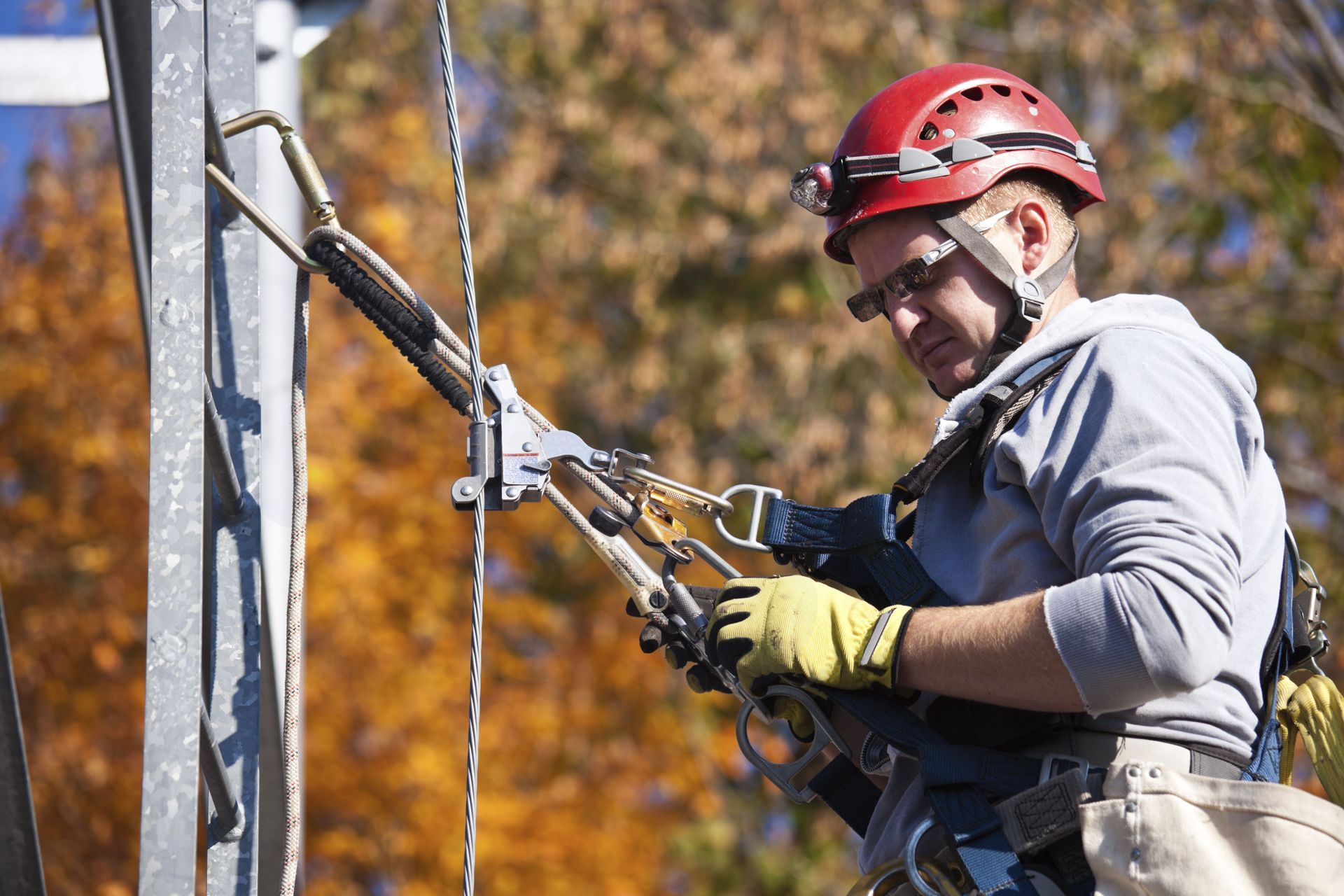
Different workplaces require different approaches to preventing falls. Guardrails create physical barriers along elevated platforms, while safety nets provide additional protection in certain construction environments. Personal fall arrest systems incorporate harnesses, connectors, and suitable anchorages to arrest falls when prevention measures are insufficient.
Rigid track systems are particularly useful in facilities where employees perform repetitive overhead tasks. These installations allow workers to move along designated paths while remaining connected to an engineered anchorage system. Flexible horizontal lifelines offer another option, although their deflection and clearance requirements differ from those of rigid tracks.
When comparing alternatives, employers should consider available working space, maintenance accessibility, structural limitations, and operational flexibility. Combining appropriate engineering controls with personal protective equipment can establish a more comprehensive safety strategy.
Workplace Regulations and Safety Standards
Regulatory compliance is an essential consideration when implementing rigid fall protection. The Occupational Safety and Health Administration (OSHA) establishes requirements governing fall hazards, protective equipment, and employee training in covered workplaces. Applicable standards depend on the industry, work activity, and specific hazards involved.
Employers must ensure that equipment meets relevant requirements and is installed according to manufacturer instructions and applicable engineering specifications. Depending on the system, qualified personnel may need to evaluate anchorage strength, structural capacity, and installation procedures.
Regular inspections, documented maintenance, and appropriate employee training support continued compliance. Organizations should also review their procedures when equipment changes, new hazards emerge, or workplace operations are modified. Maintaining accurate records helps demonstrate responsible safety management and identify opportunities for improvement.
Challenges in Design and Installation
Implementing effective fall prevention measures presents several practical challenges. Initial expenses may include engineering assessments, equipment purchases, structural modifications, installation labor, and employee training. Although these costs can be substantial, preventing serious accidents may reduce expenses associated with injuries, operational interruptions, and potential liability.
Design considerations are equally important. Every facility has unique structural characteristics, equipment arrangements, and working conditions. Manufacturing plants may require overhead systems that accommodate moving machinery, while maintenance facilities need solutions that allow technicians to access elevated equipment without restricting productivity.
Successful installation requires coordination among safety managers, engineers, contractors, and employees. Evaluating potential obstructions, rescue requirements, and available fall clearance before installation can prevent costly modifications. Thorough planning also helps ensure that protective equipment integrates smoothly into existing operations.
Maintenance and Employee Training Requirements
Regular maintenance is necessary to preserve the effectiveness of rigid fall protection systems. Environmental exposure, mechanical wear, corrosion, and accidental damage can compromise equipment performance. Employers should establish inspection schedules based on manufacturer recommendations, applicable regulations, and workplace conditions.
Inspections should address structural connections, attachment points, moving components, and signs of deterioration. Equipment showing damage or questionable performance must be evaluated and removed from service when necessary. Personal fall arrest equipment also requires appropriate inspection and maintenance.
Employee training is equally important because even properly engineered systems can become ineffective when used incorrectly. Workers should understand equipment limitations, connection procedures, hazard recognition, and emergency response requirements. Practical demonstrations and refresher instruction can reinforce safe working habits.
Organizations should also establish rescue procedures before employees begin elevated work. A coordinated emergency response plan helps reduce delays when a worker experiences a fall or becomes suspended in a harness.
Benefits of Effective Fall Protection Equipment
One of the primary benefits of rigid fall protection is its ability to support safer working conditions through engineered fall arrest solutions. Properly designed systems can help limit fall distances and reduce certain risks associated with elevated work. Their consistent configuration can also make designated work areas easier to access safely.
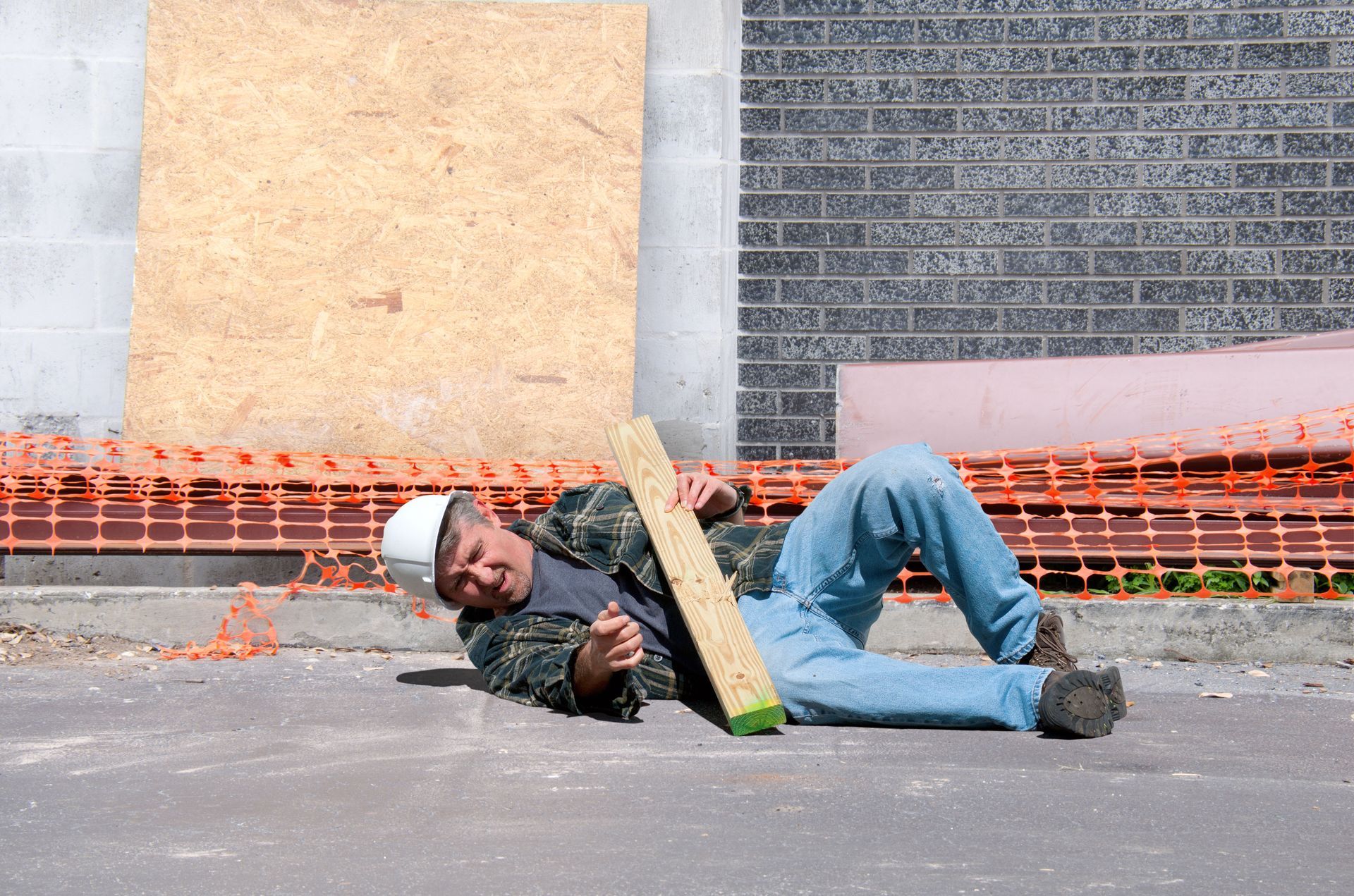
According to the U.S. Bureau of Labor Statistics (BLS), in 2024, 389 fatal injuries in construction were attributed to falls, slips, and trips, representing 37.6% of construction fatalities. These figures emphasize the importance of comprehensive fall prevention strategies throughout the industry.
Beyond injury prevention, effective safety equipment can contribute to operational continuity. Fewer incidents may mean less downtime, reduced disruption, and more predictable project schedules. Employees who receive appropriate protection and training may also feel more confident performing their responsibilities.
Businesses that consistently prioritize safety can strengthen employee trust and demonstrate their commitment to responsible workplace practices.
Industry Applications and Practical Considerations
Fall hazards appear across construction, manufacturing, aviation, transportation, and industrial maintenance operations. Each industry presents unique challenges requiring specialized safety solutions.
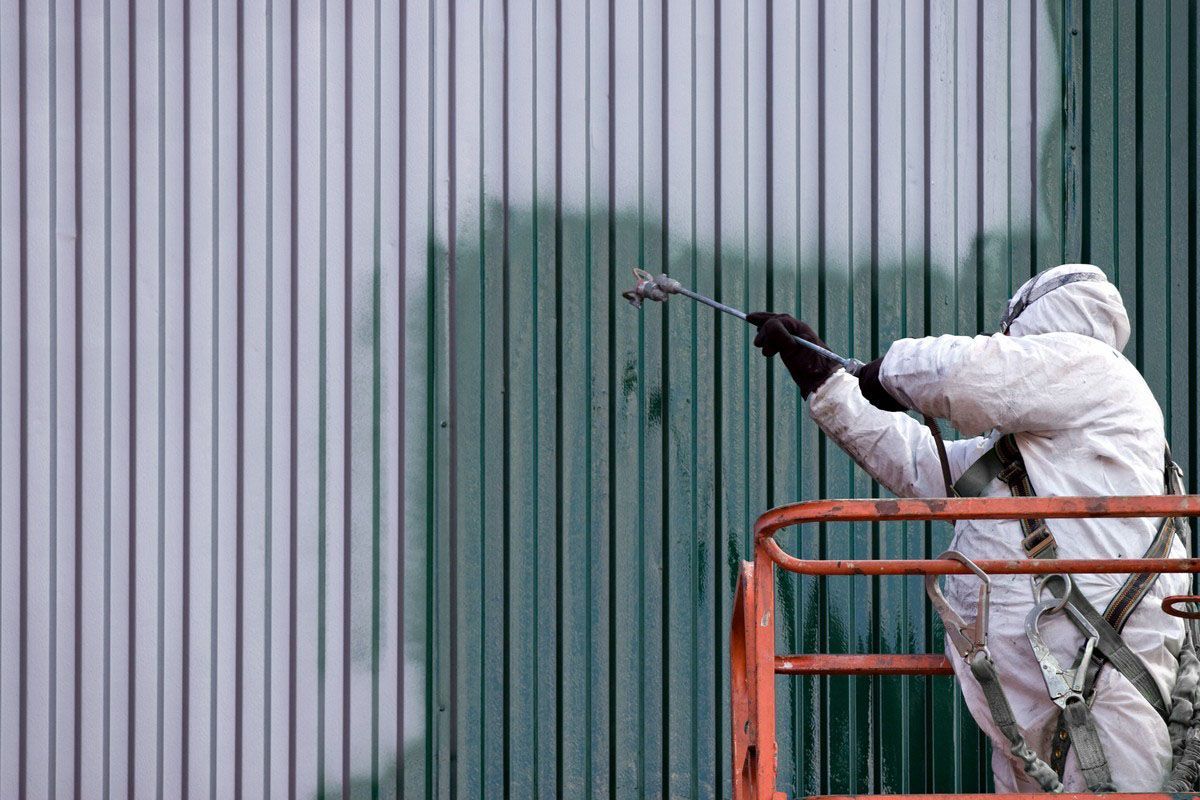
Manufacturing facilities frequently use overhead fall arrest systems around production equipment, loading areas, and elevated maintenance platforms. Aviation maintenance operations may require systems that provide technicians with safe access to aircraft surfaces while accommodating changing work positions.
Construction environments present additional difficulties because working conditions frequently change as projects progress. Temporary access requirements, structural limitations, and multiple contractors can complicate protective equipment selection.
In transportation and distribution facilities, workers may need protection while accessing trailers, railcars, or elevated loading equipment. Appropriate system design must account for movement, clearance, and nearby obstacles.
Across these environments, employee feedback can reveal practical challenges that might otherwise remain overlooked. Incorporating worker experiences into safety planning helps organizations develop solutions that address everyday operational needs.
Technological Advancements and Future Developments
Innovation continues to influence the development of rigid fall protection equipment. Manufacturers are exploring improved materials, modular designs, and adaptable configurations that accommodate different industrial environments. These developments may simplify installation, improve equipment durability, and support more efficient maintenance.
Digital inspection platforms can help safety managers document equipment conditions, organize maintenance schedules, and monitor compliance activities. Wearable devices and connected monitoring technologies may also provide useful information about worker movement and environmental hazards.
However, technological advancements should complement established safety practices rather than replace proper equipment selection, training, and inspections. New products must still satisfy applicable requirements and demonstrate reliable performance under intended operating conditions.
Investing in rigid fall protection represents an important component of a comprehensive workplace safety strategy. Proper equipment selection, professional installation, regular maintenance, and employee training all contribute to effective protection against fall hazards. Although implementation can involve significant planning and financial considerations, the potential benefits extend to injury prevention, operational efficiency, and regulatory compliance. Contact Northland Safety Solutions LLC today and learn more about our rigid fall protection services.

Share On: